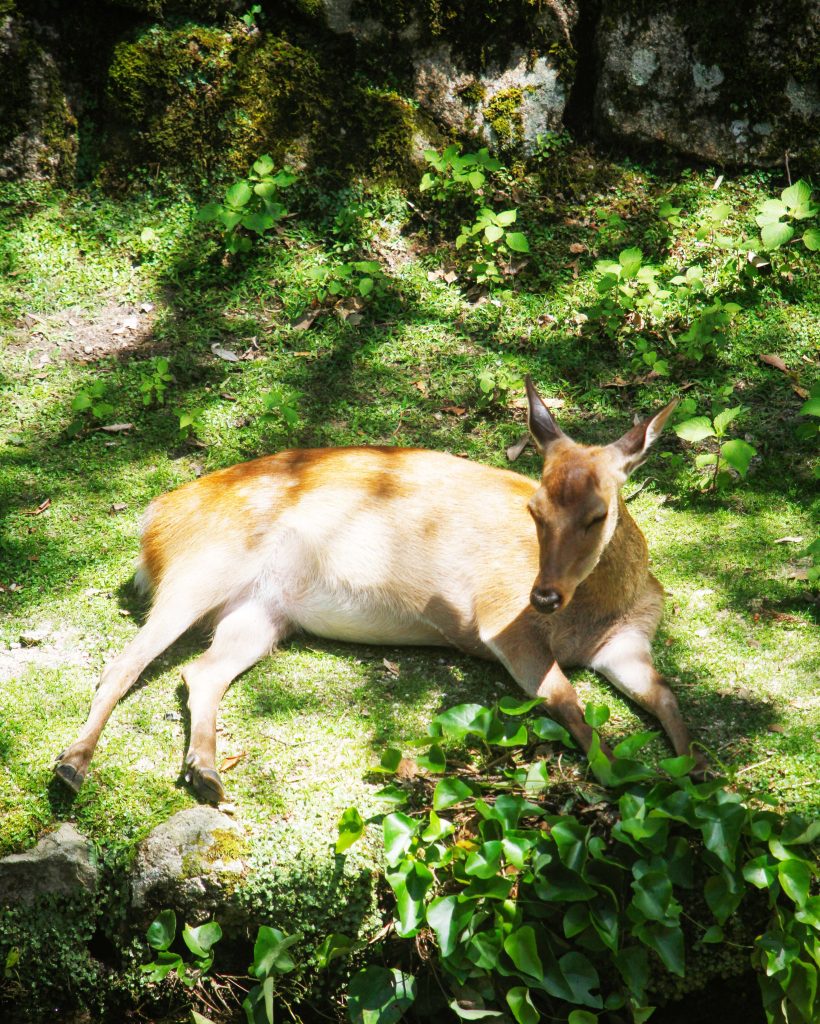
In the woods of Upstate South Carolina, mother deer and their fawns share a quiet and powerful bond each spring.
There’s something sacred about that special bond. The woods soften. The air carries that fresh green scent. And quietly—almost invisibly—new life begins.
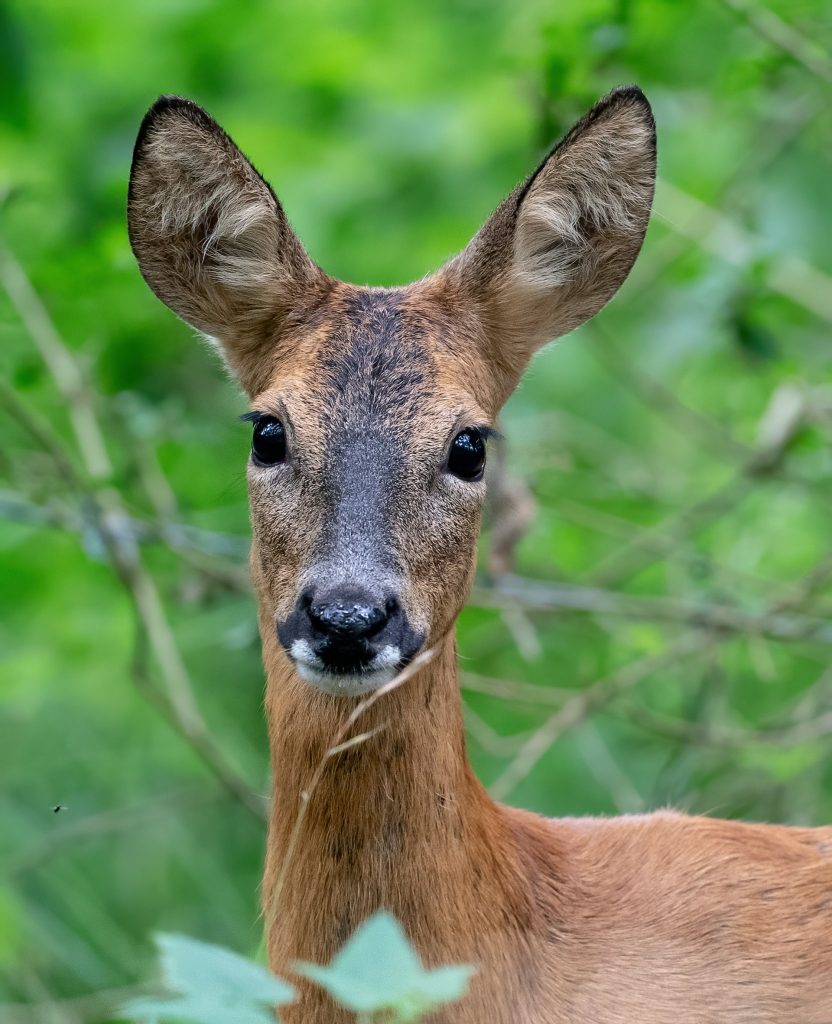
If you’ve ever stepped outside in the early morning and caught a glimpse of a white-tailed deer moving gently through the trees, you may have been witnessing one of nature’s most devoted mothers.
Because this time of year belongs to the does.
The Quiet Mothers of the Forest
In Upstate South Carolina, especially around places like Table Rock Mountain and the surrounding forests, white-tailed deer begin giving birth in late spring—right around Mother’s Day.
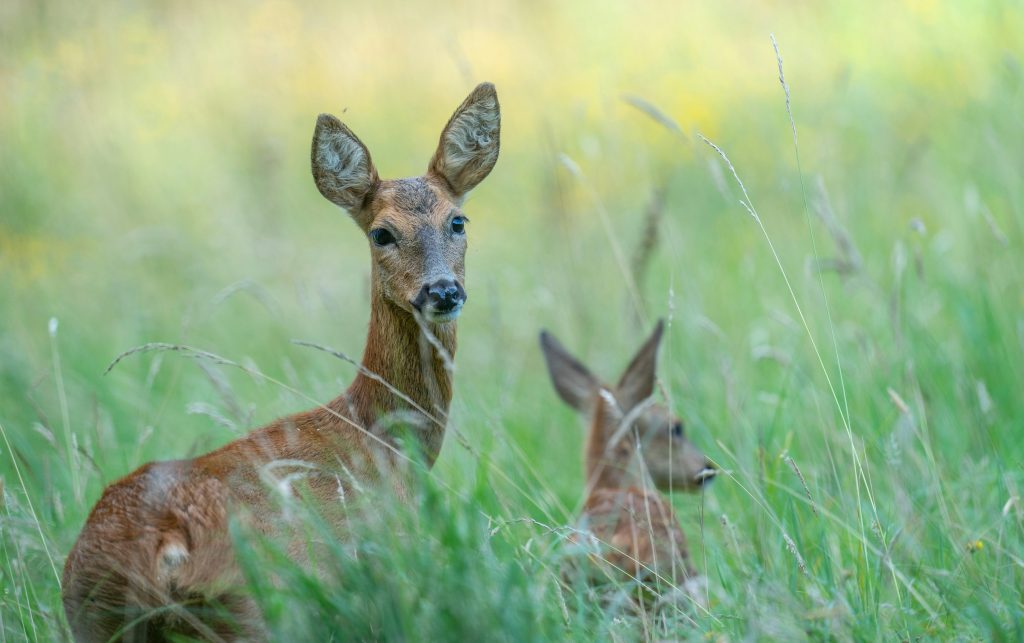
A doe will often find a secluded, grassy area—tucked safely away from predators—and give birth to one or two fawns.
And then something remarkable happens.
She leaves them.
Not out of neglect—but out of deep instinct and protection.
Newborn fawns are born with almost no scent and a coat of soft white spots that mimic sunlight filtering through leaves.

The Bond Between Doe and Fawn
When the doe returns, the connection is immediate and tender.
She will:
• Gently groom her fawn to keep it clean and scent-free
• Nurse it with rich, nutrient-dense milk
• Move it occasionally to new hiding spots
• Stay alert—always aware of danger
As the weeks pass, the fawn begins to follow her, learning the rhythms of the forest:
where to feed, when to move, how to survive.
Everything it needs to know—comes from her.
A Mother’s Day Reflection
There’s something deeply humbling about watching a doe and her fawn.
No noise. No recognition. No celebration.
And yet—her devotion is unwavering.
This Mother’s Day, as we celebrate the mothers in our own lives, we can also honor the quiet, unseen mothers of the wild.
The ones who protect without being seen.
Who love from a distance.
Who trust their instincts completely.
Right here in our own backyards… and just beyond the tree line.

If You Find a Fawn Alone
A gentle reminder from the woods:
If you come across a fawn lying alone—do not touch or move it.
Its mother is likely nearby.
The best thing we can do is what nature intended:
leave it undisturbed, and trust the wisdom of the doe.
Life Lessons in the Woods
A doe teaches without words.
She teaches:
• Stillness
• Awareness
• Patience
• Timing
In the quiet woods of Upstate South Carolina, these life lessons mean the difference between survival and disaster.
By summer, what once was a hidden, trembling fawn becomes a steady, graceful young deer—moving through the same trails its mother once walked.
Closing Thoughts
Here in the shadow of the mountains, where the forest breathes and life renews itself each spring, motherhood takes on a quiet, powerful form.
And if you’re lucky enough to witness it—even for just a moment—it stays with you.
A soft reminder that love doesn’t always look loud.
Sometimes… it looks like stillness in the grass.
And a watchful mother just out of sight.