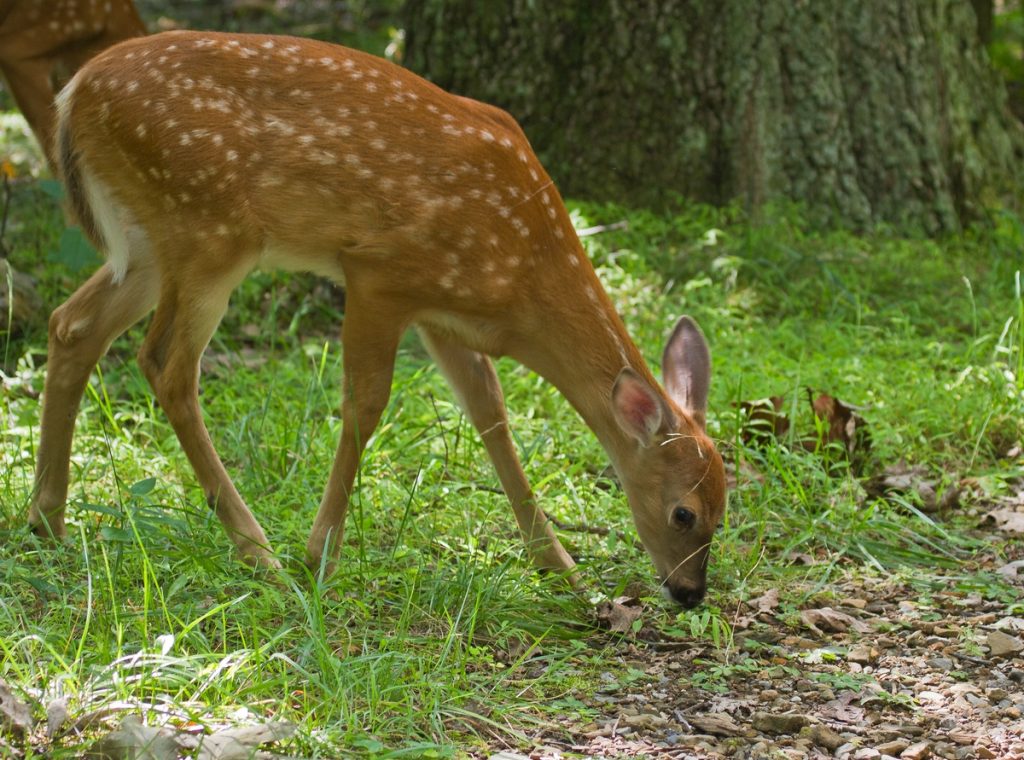
Plus, A Heartfelt Encounter with a Pregnant Deer in the South Carolina Woods
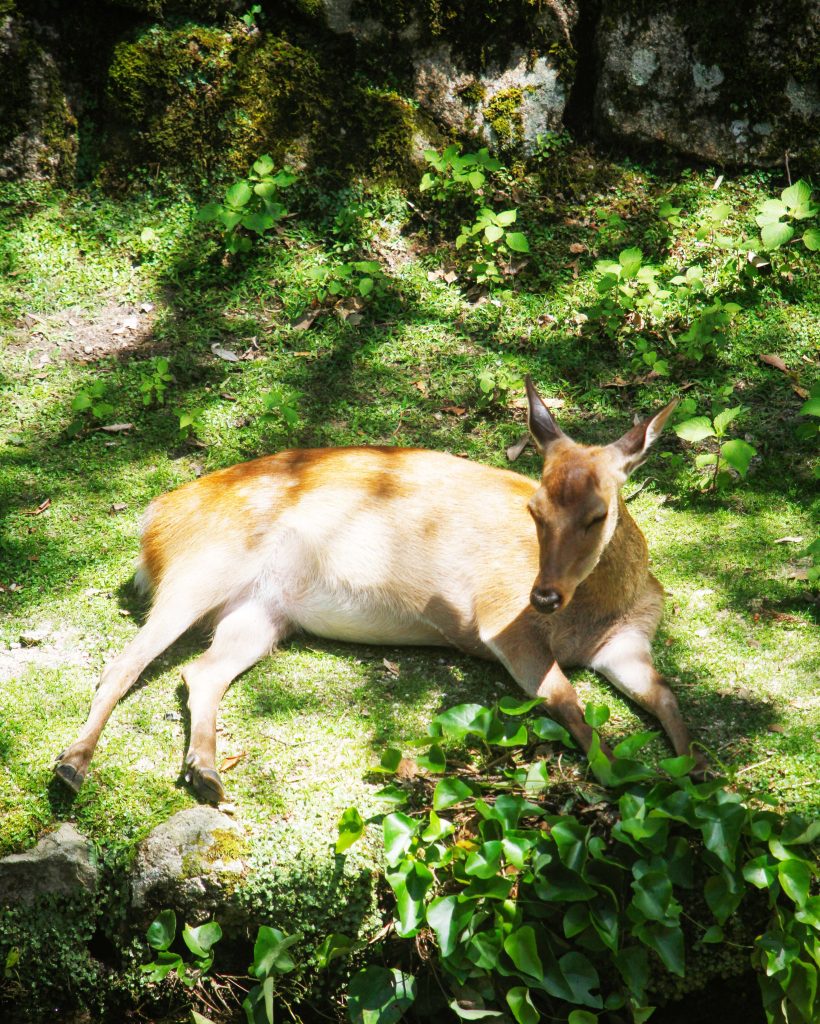
There’s a quiet kind of magic in the woods of South Carolina, where the pine trees whisper old secrets, and morning light spills like honey through the mist. Lately, that magic has taken the form of an unexpected visitor.
She first appeared last year, nibbling at the edge of our garden. This is the second time this year she has visited us! A pregnant deer—round-bellied, gentle-eyed, and utterly at peace. She munched through marigolds and our roses with calm purpose that we couldn’t bring ourselves to shoo her away.
Kurt and I fondly named her Rose because that was her favorite flower to nibble on. There was something sacred about her presence, as if the forest had entrusted us with a small piece of its wild heart. Her visit wasn’t just about feeding—it was about surviving, about growing life inside her as she prepared to bring a fawn into this world.
We watched her in silence, coffee cups warming our hands, as she grazed in the early light. And though she trimmed our garden down to nubs, we felt nothing but grateful. To be chosen, in some small way, as part of her journey to motherhood was a gift. A gentle reminder that nature isn’t separate from us.

Here are 4 Beautiful Things To Know About Pregnant Deer
- Their Pregnancy is Longer Than You Think. White-tailed deer, the most common type in South Carolina, carry their young for about 200 days, roughly 6 to 7 months. Most give birth in late spring or early summer, often to twins.
- They Need More Food and Water. Just like any expectant mother, pregnant deer need extra nutrition, especially in the final months. Tender garden greens, buds, and flowers are full of hydration and minerals, which explains her appetite for our garden!
- They Seek Quiet, Safe Places to Fawn. A pregnant doe begins searching for secluded, quiet spaces as birth approaches. Dense shrubs near cabins or forested backyards often become birthing spots. If your land feels peaceful, she may choose it for her fawn’s first steps.
- Their Babies Can Walk Within Hours. A newborn fawn stands and walks within an hour of birth. By the end of the day, it can follow its mother into the woods, learning where to hide and what to eat. Their spotted coats can help blend in with the dappled forest ground cover.