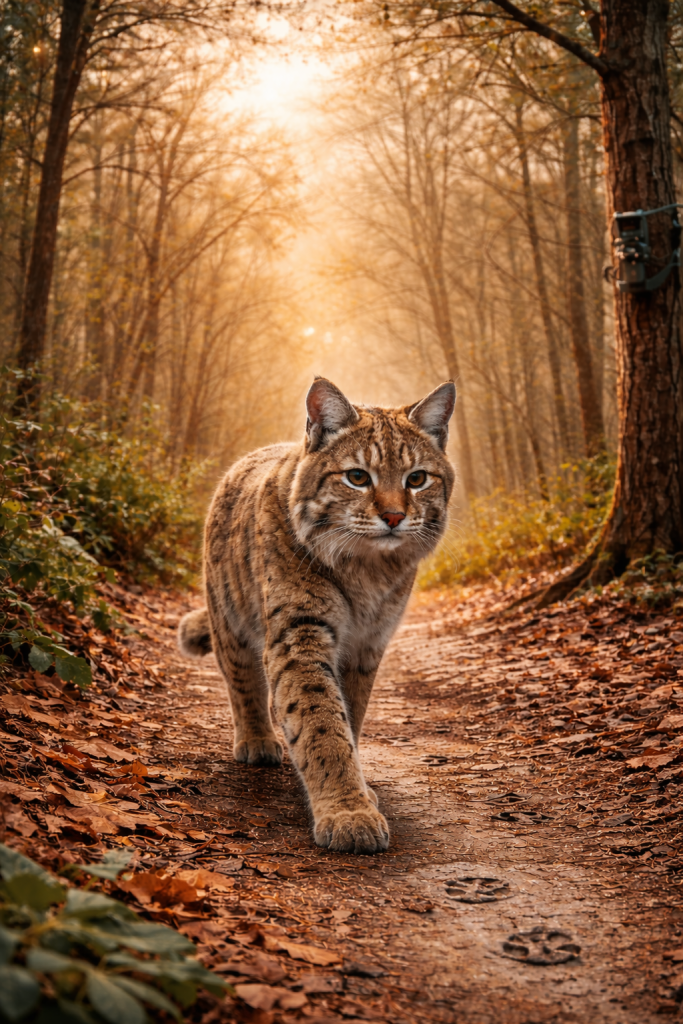
January in South Carolina doesn’t arrive with deep snowdrifts. Instead, it slips in quietly—bare branches, muted woods, and long stretches of stillness. And it’s in this quieter season that one of our most elusive residents becomes just a little easier to notice: the bobcat.
While bobcats live here year-round, January offers a unique window into their world. Fewer leaves, cooler temperatures, and subtle seasonal shifts all work together to make sightings—especially on trail cameras—more likely.
Bobcats Don’t Hibernate—They Adapt
Unlike many animals that slow down or disappear in winter, bobcats remain active throughout the year. In fact, colder months often mean more movement, not less.
Bobcats must hunt regularly to survive, and winter conditions push them to travel wider areas in search of prey. Rabbits, rodents, and small mammals are still active, and bobcats follow their patterns closely—often along the same trails we walk ourselves.
Less Cover, More Visibility
By January, South Carolina’s woods have shed much of their cover. Underbrush thins. Leaves fall away. Sightlines open up.
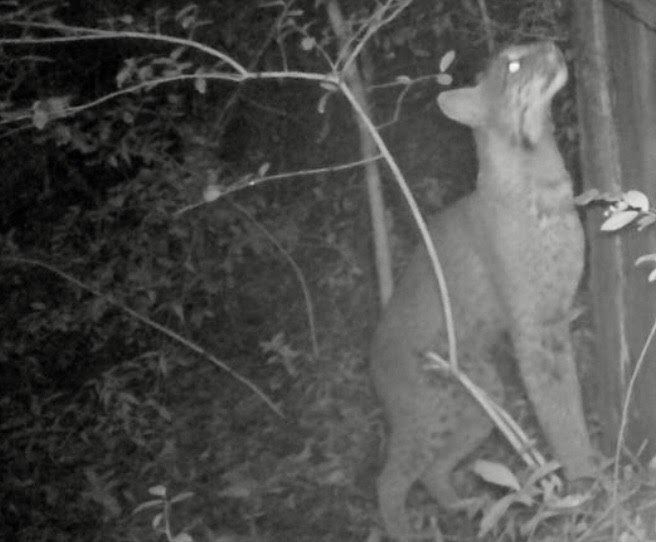
This doesn’t mean bobcats are suddenly careless—they remain cautious and quiet—but their movements are less concealed. A bobcat crossing a logging road at dawn or slipping through the trees at night stands out more clearly against a winter backdrop than it would in lush summer growth. For trail cameras, this change alone can make all the difference.
Quiet Woods Favor Wildlife
January brings a slowdown for people—but not for wildlife.
Hunting seasons taper, foot traffic drops, and fewer humans are out exploring the woods. With less disturbance, bobcats feel safer moving through areas they might otherwise avoid.
This calm creates a rare balance: humans retreat, and wildlife steps forward—often unseen, but not unfelt.
Seeing a Bobcat Means the Land Is Healthy
A bobcat sighting isn’t just exciting—it’s meaningful.
Bobcats require:
- Adequate prey populations
- Large, connected territories
- Minimal disruption
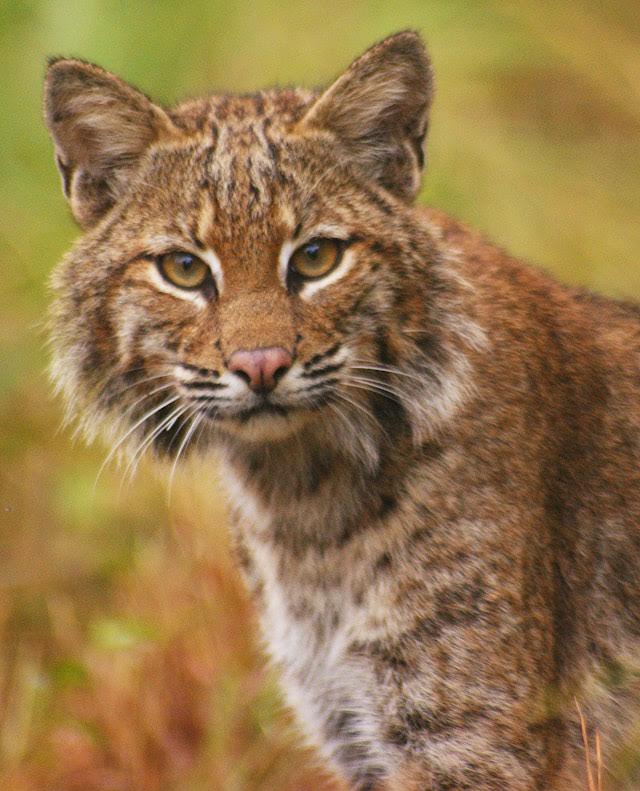
When they pass through your land, it’s a sign of balance. Of an ecosystem quietly working as it should.
A Season of Watchfulness
January doesn’t shout. It whispers.
And in those whispers—in the pause before sunrise, the glow of a trail cam at 4 a.m., the sense that something moved just beyond view—the bobcat appears.
Not often. Not loudly.
But just enough to remind us that winter in South Carolina is very much alive.