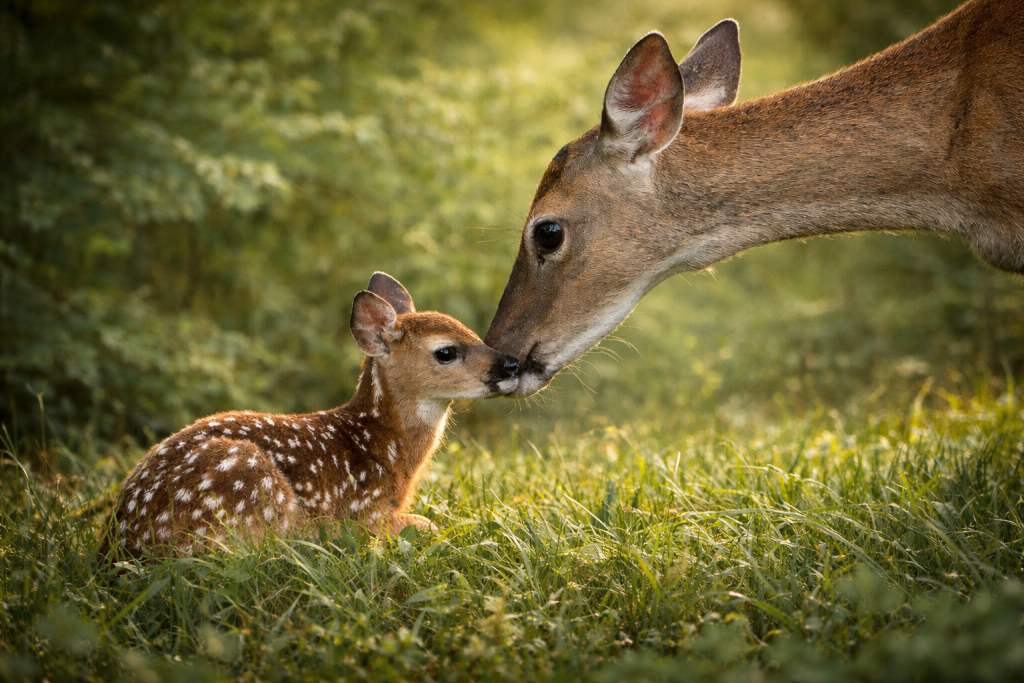
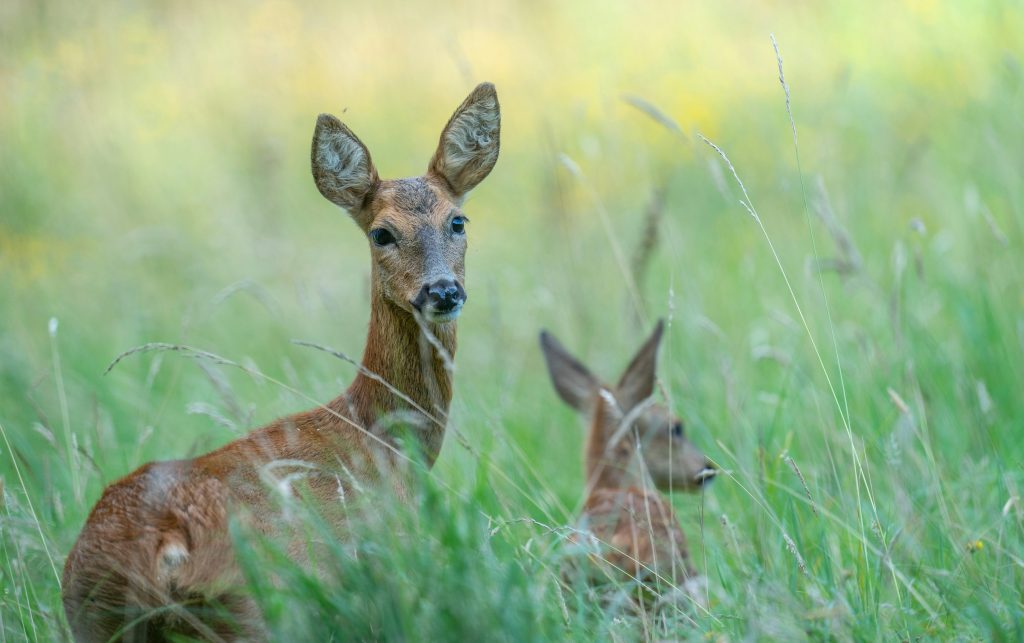
In the woods of Upstate South Carolina, mother deer and their fawns share a quiet and powerful bond each spring.
There’s something sacred about that special bond. The woods soften. The air carries that fresh green scent. And quietly—almost invisibly—new life begins.
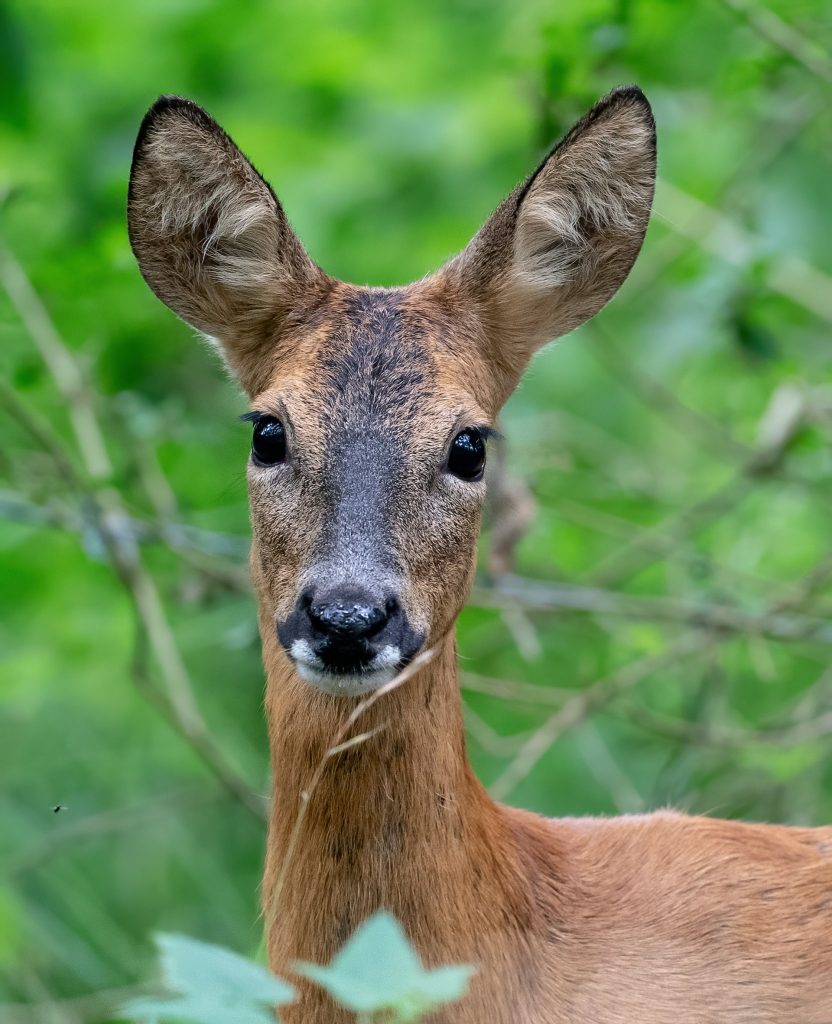
If you’ve ever stepped outside in the early morning and caught a glimpse of a white-tailed deer moving gently through the trees, you may have been witnessing one of nature’s most devoted mothers.
Because this time of year belongs to the does.
Photo by Bob Brewer
The Quiet Mothers of the Forest
In Upstate South Carolina, especially around places like Table Rock Mountain and the surrounding forests, white-tailed deer begin giving birth in late spring—right around Mother’s Day.
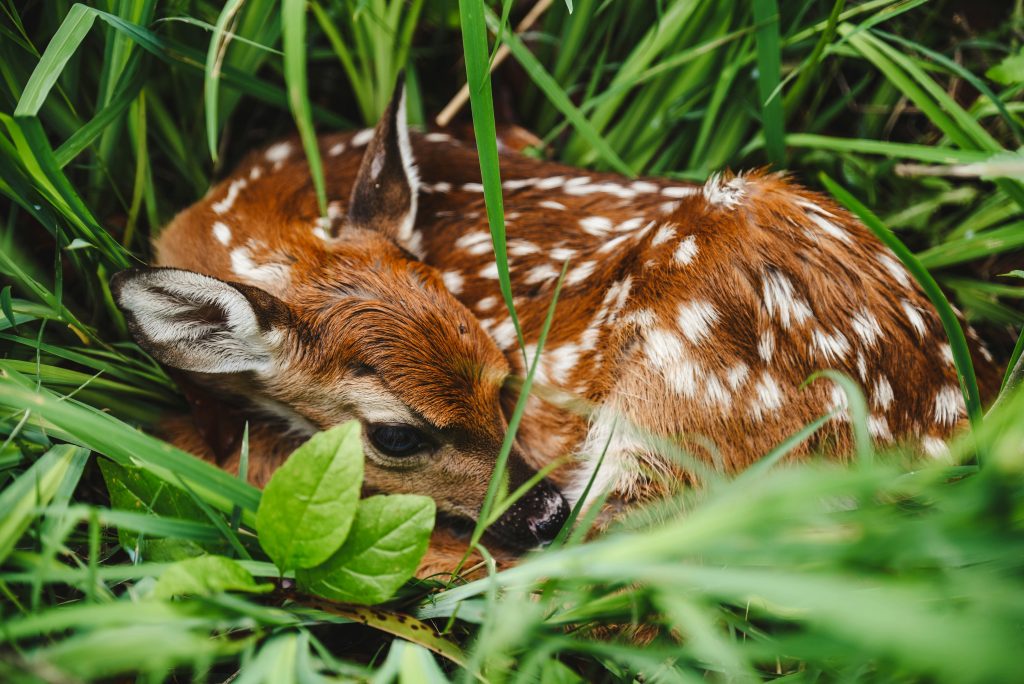
A doe will often find a secluded, grassy area—tucked safely away from predators—and give birth to one or two fawns.
And then something remarkable happens.
She leaves them.
Not out of neglect—but out of deep instinct and protection.
Newborn fawns are born with almost no scent and a coat of soft white spots that mimic sunlight filtering through leaves.
Photo by Erika Fletcher
The Bond Between Doe and Fawn
When the doe returns, the connection is immediate and tender.
She will:
• Gently groom her fawn to keep it clean and scent-free
• Nurse it with rich, nutrient-dense milk
• Move it occasionally to new hiding spots
• Stay alert—always aware of danger
As the weeks pass, the fawn begins to follow her, learning the rhythms of the forest:
where to feed, when to move, how to survive.
Everything it needs to know—comes from her.
A Mother’s Day Reflection
There’s something deeply humbling about watching a doe and her fawn.
No noise. No recognition. No celebration.
And yet—her devotion is unwavering.
This Mother’s Day, as we celebrate the mothers in our own lives, we can also honor the quiet, unseen mothers of the wild.
The ones who protect without being seen.
Who love from a distance.
Who trust their instincts completely.
Right here in our own backyards… and just beyond the tree line.
Photo by Mathew Schwartz
If You Find a Fawn Alone
A gentle reminder from the woods:
If you come across a fawn lying alone—do not touch or move it.
Its mother is likely nearby.
The best thing we can do is what nature intended:
leave it undisturbed, and trust the wisdom of the doe.
Life Lessons in the Woods
A doe teaches without words.
She teaches:
• Stillness
• Awareness
• Patience
• Timing
In the quiet woods of Upstate South Carolina, these life lessons mean the difference between survival and disaster.
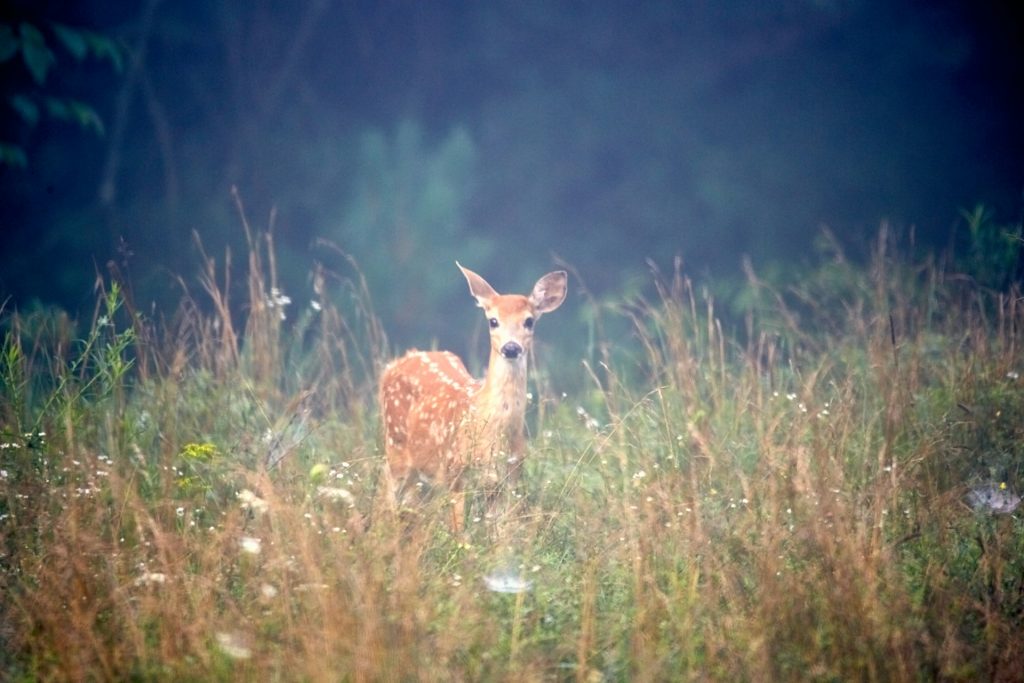
By summer, what once was a hidden, trembling fawn becomes a steady, graceful young deer—moving through the same trails its mother once walked.
Photo by Bob Brewer
Closing Thoughts
Here in the shadow of the mountains, where the forest breathes and life renews itself each spring, motherhood takes on a quiet, powerful form.
And if you’re lucky enough to witness it—even for just a moment—it stays with you.
A soft reminder that love doesn’t always look loud.
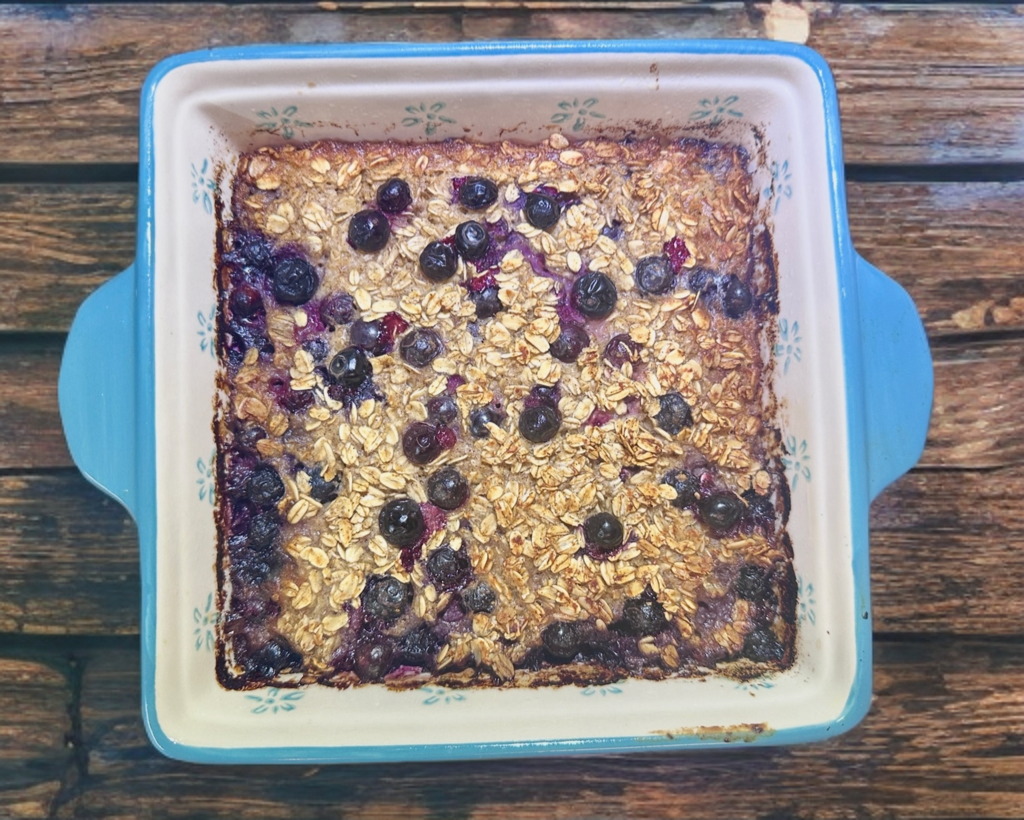
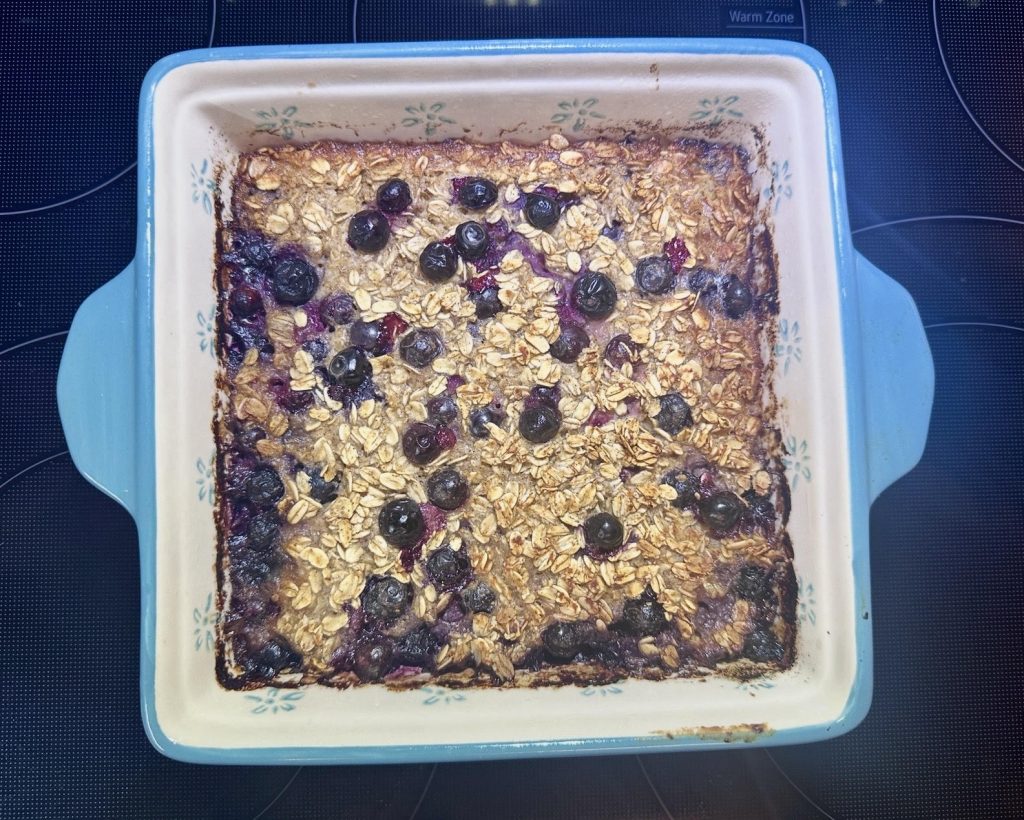
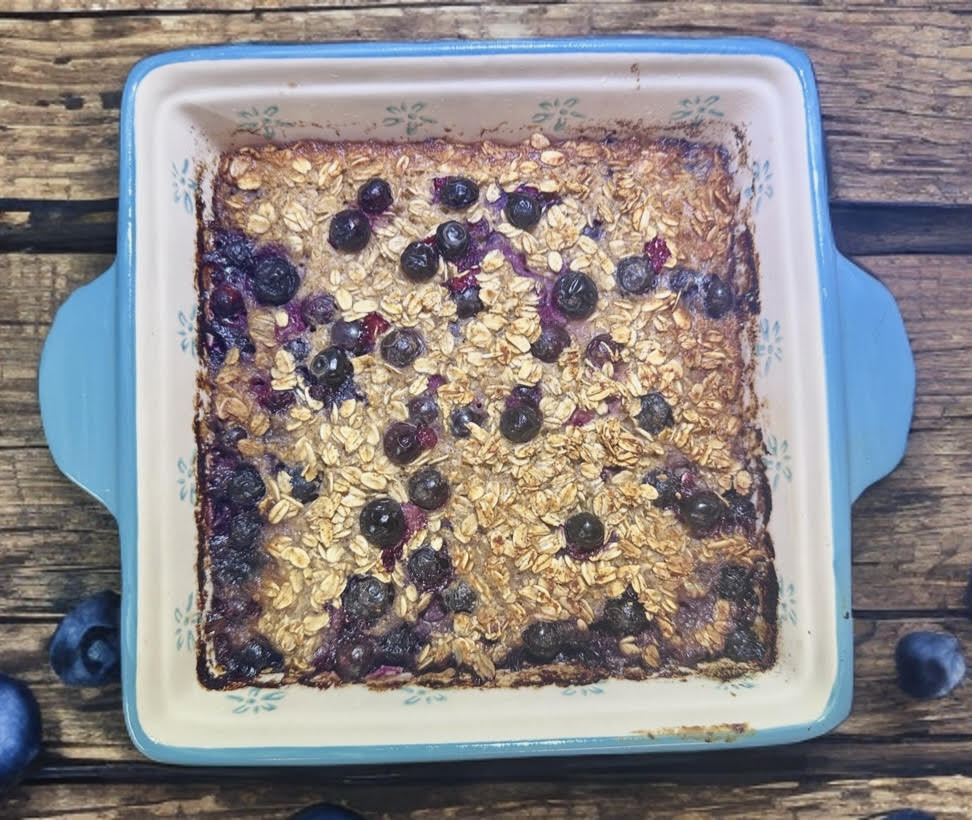
There’s nothing better than a warm pan of blueberry baked oatmeal on a quiet morning here at Table Rock Mountain—simple, healthy, and full of comfy flavor.
Blueberry Baked Oatmeal, (c) The Comfy Cabin, 2026.
There’s something about early mornings here at the cabin that feels like a quiet blessing.
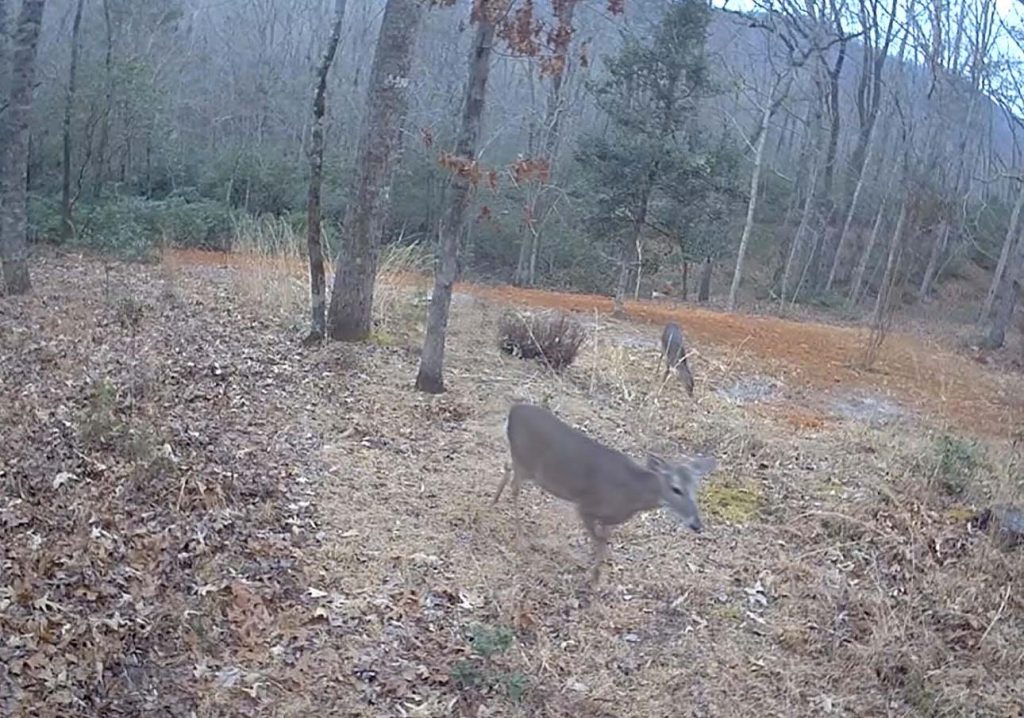
The mist was still hanging low over the trees near Table Rock Mountain, and the world hadn’t quite woken up yet. I poured my coffee, wrapped my sweater a little tighter, and stepped out onto the porch. That’s when I saw them—two deer moving gracefully and slowly walking along the edge of the woods, and enjoying their early morning routine.
Mist around Table Rock Mountain. (c) The Comfy Cabin, 2026.Deer in the early morning. (c) The Comfy Cabin, 2026.
The birds were already singing… soft at first, then building into that familiar chorus that echoes through the forest.
Inside my kitchen, this blueberry oat bake was just coming out of the oven—warm, simple, and filled with the kind of goodness that matches a moment like this. There’s sweet blueberries, hearty oats, and just enough comfort to start the day right. It’s the kind of recipe you want to make not just for nourishment, but for presence. For slowing down. For noticing those special moments in your mornings. For creating a memory that lingers a little longer than breakfast.
Table Rock Mountain Blueberry Oat Bake (c) The Comfy Cabin, 2026.
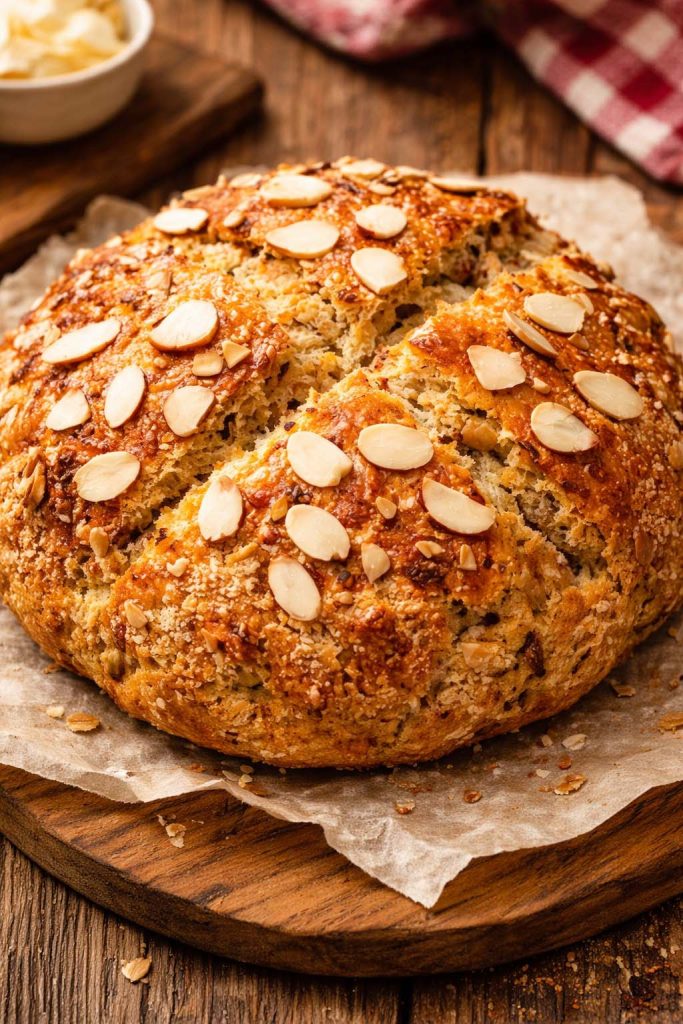
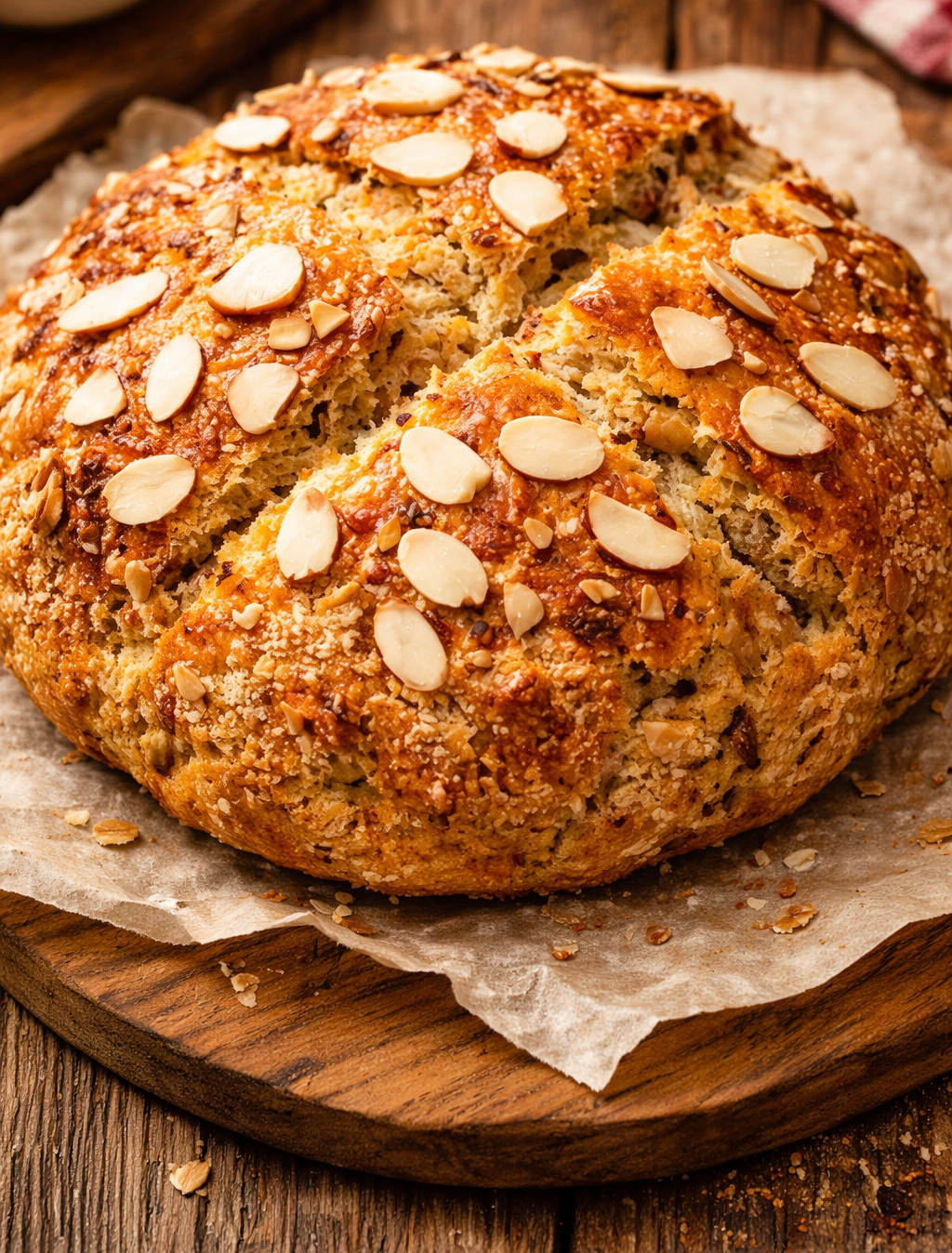
A healthy andfriendly version of traditional Irish soda bread made with extra protein and simple ingredients.
Easy High-Protein Irish Soda Bread. (c) The Comfy Cabin, 2026.
I love baking a simple loaf of Irish soda bread, especially in celebration of St. Patrick’s Day! This high-protein Irish soda bread is my healthier twist on the traditional recipe—perfect for anyone looking for a satisfying bread that’s both nourishing and easy to make.
Unlike traditional Irish soda bread that uses white flour, this version uses almond flour and extra protein to create a soft and hearty loaf. It still has that classic rustic texture and slightly tangy flavor that makes Irish soda bread so beloved, but with extra nutrition in every slice.
One of the things I love most about this recipe is how quick and simple it is to make. There’s no yeast and no waiting for the dough to rise. Just mix the ingredients, shape the loaf, and bake. In less than an hour, your kitchen will smell warm and inviting—just like an Irish bakery.
This easy high-protein Irish soda bread is wonderful served warm with a little butter, alongside a bowl of soup, or toasted the next morning with coffee.
Why You’ll Love This High-Protein Irish Soda Bread
This high-protein Irish soda bread is the perfect blend of comfort and nourishment. It has the rustic charm of traditional Irish soda bread but with a healthier twist that makes it perfect for a modern kitchen.
It’s quick and easy to make.
One of the best things about Irish soda bread is that there’s no yeast and no rising time. Simply mix the ingredients, shape the dough, and bake. It’s the kind of recipe you can make on a cozy afternoon when you want fresh bread without a lot of fuss.
It’s packed with protein.
By using ingredients like almond flour and added protein, this recipe creates a more balanced loaf that helps keep you satisfied longer. It’s a wonderful option for anyone looking for a higher-protein bread or a bariatric-friendly recipe.
It’s rustic and comforting.
This bread has that classic soda bread texture—slightly dense, tender, and perfect for slicing thick and serving warm. The golden crust and hearty crumb make it feel right at home.
It’s versatile.
Serve this easy high-protein Irish soda bread with soups, stews, eggs, or simply toasted with butter and a cup of coffee. It’s just as good the next morning as it is fresh from the oven.
It’s a healthier twist on tradition.
You still get that familiar Irish soda bread flavor, but with ingredients that support a healthier lifestyle without sacrificing taste. It’s low-carb, gluten-free, and high-protein!
Ingredients
• 1 1/2 cupsalmond flour
• 1 tbsp coconut flour
• ¼ cup vanilla protein powder (Use your favorite)
• 1 tsp baking soda
• ¼ tsp salt
• 1 tbsp Splenda (Use your favorite)
• 2 large eggs
• ½ cup plain Greek yogurt (adds protein + moisture)
• 1 tsp apple cider vinegar
• 2 tbsp coconut oil (optional: you can use melted butter or olive oil)
Optional add-ins:
• 2 -3 tbsp raisins
• 1 tsp orange zest
• ½ tsp cinnamon
*I used all 3 above. 😁 It’s really up to you and what you would love in your Irish Soda Bread. 🍀
Instructions
1. Preheat oven: 350°F (175°C).
2. Line a 5″ round cake pan with parchment paper.
3. In a large bowl, mix the dry ingredients: almond flour, coconut flour, protein powder (use your favorite brand of protein powder. I used Isopure, baking soda, cinnamon, orange zest, a pinch of salt, and Splenda (use your favorite sweetener).
4. In another bowl whisk: eggs, Greek yogurt, coconut oil, vinegar, vanilla extract.
5. Combine wet and dry ingredients until a soft dough forms. Gently fold-in raisins to the rest of the dough.
6. Shape into a small round loaf (about 5 wide). OR Place the dough into a small cake pan.
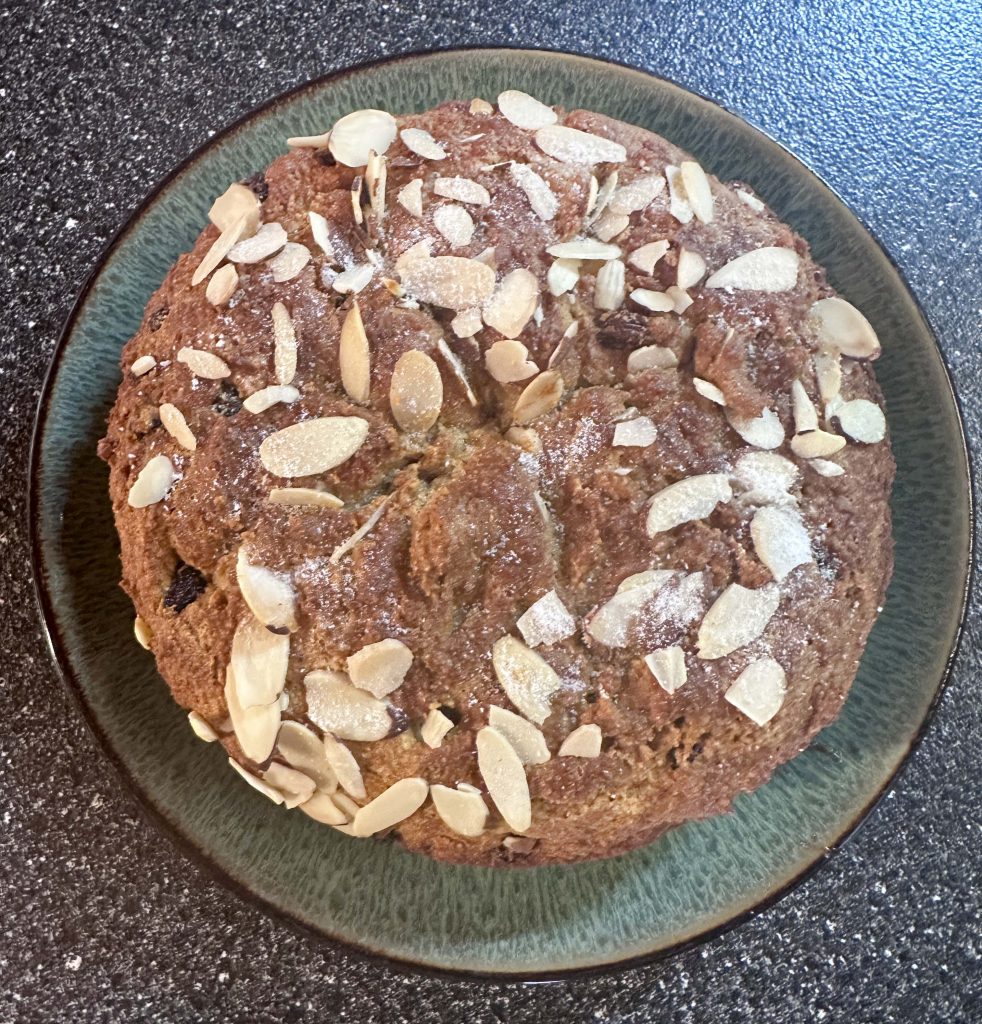
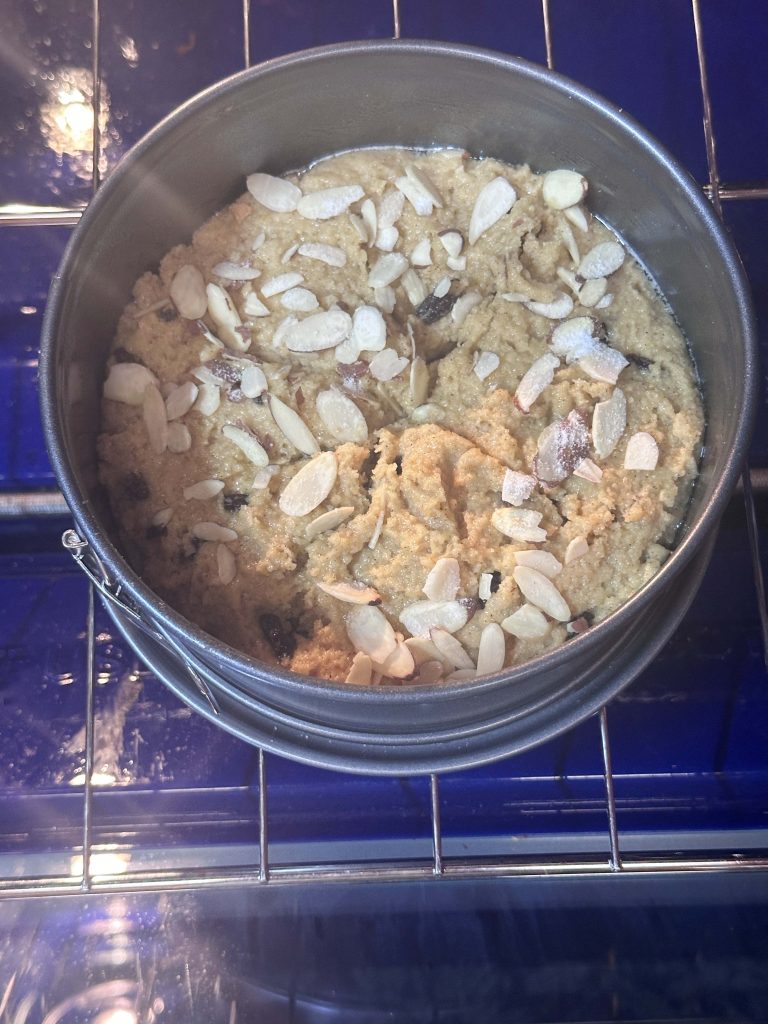
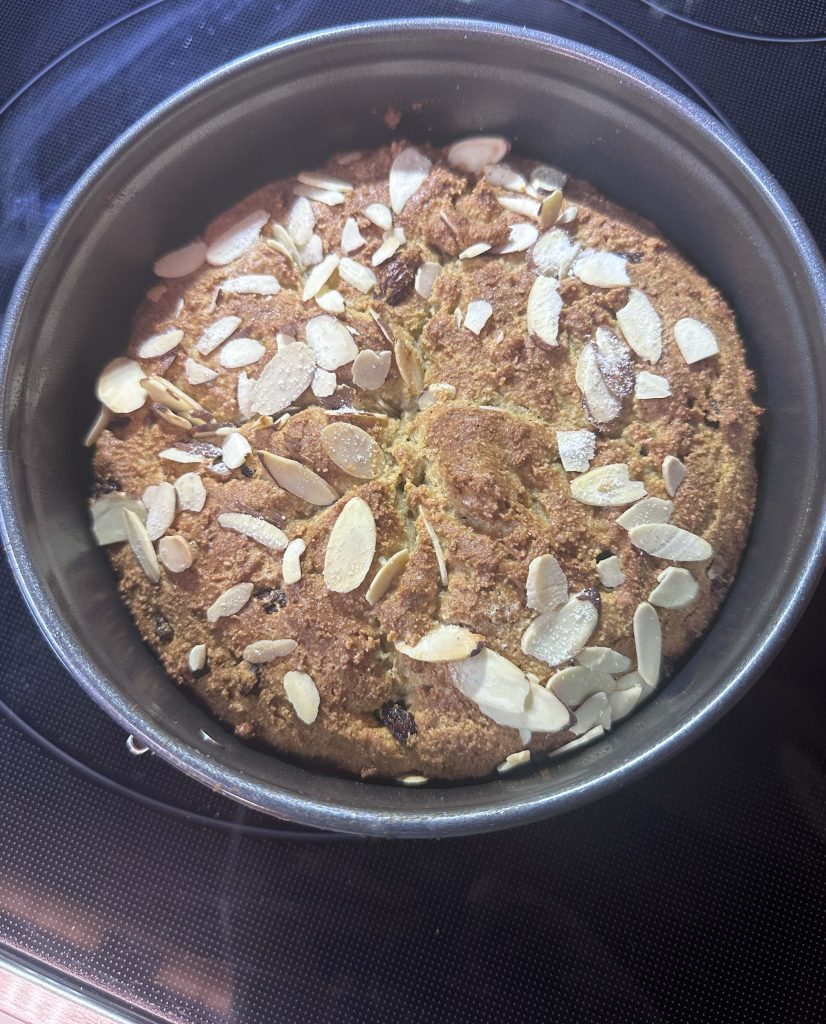
7. Cut a deep cross on top (traditional Irish soda bread style). Add some sliced almonds on top.
8. Bake 25–30 minutes until golden.
9. Cool at least 15 minutes before slicing.
Before: High-Protein Irish Soda Bread, (c) The Comfy Cabin, 2026.
After: High-Protein Irish Soda Bread, (c) The Comfy Cabin, 2026.
In a large bowl, mix the dry ingredients: almond flour, coconut flour, protein powder (use your favorite brand of protein powder, baking soda, cinnamon, orange zest, a pinch of salt, and Splenda (use your favorite type of sweetener).
In another bowl whisk: eggs, Greek yogurt, coconut oil, vinegar, vanilla extract.
Combine wet and dry ingredients until a soft dough forms. Gently fold-in raisins to the rest of the dough.
Shape into a small round loaf (about 5" wide). OR Place the dough into a small cake pan.
Cut a deep cross on top (traditional Irish soda bread style). Add some sliced almonds on top.
Bake 25–30 minutes until golden.
Cool at least 15 minutes before slicing.
Kitchen Tips
Irish soda bread is wonderfully simple to make, but a few small tips can help you get the best texture and flavor every time you bake a loaf.
Don’t overmix the dough.
Soda bread dough should be mixed just until the ingredients come together. Overmixing can make the bread dense or tough. A light hand helps keep the loaf tender.
Shape the loaf gently.
Once your dough is mixed, shape it into a round loaf without pressing it too firmly. Irish soda bread is meant to be rustic and slightly imperfect—that’s part of its charm. *I used a small 5″ dia. cake pan to help keep the shape.
Score the top of the bread.
Traditional Irish soda bread is usually cut with a cross on the top before baking. This helps the bread bake evenly and gives it that classic farmhouse look.
Bake until golden.
A perfectly baked soda bread will have a beautiful golden crust. Almond flour gives it a slightly nutty flavor that feels very rustic. Brush the warm loaf with a tiny bit of salted butter or honey butter. *I added Splenda on top.
Let the bread cool slightly before slicing.
It can be tempting to cut into it right away, but letting the bread rest for 10–15 minutes helps the crumb set and makes slicing easier.
How to Store Irish Soda Bread
Because soda bread doesn’t contain yeast or preservatives, it’s best enjoyed fresh, but it can still keep well for a few days if stored properly.
At room temperature:
Wrap the bread in foil or store it in an airtight container. It will stay fresh for about 2–3 days on the counter.
In the refrigerator:
If you want it to last a little longer, store it in the fridge for up to 5 days. Just warm or toast slices before serving to bring back the texture. *This is my favorite storage method.
Freezing:
Irish soda bread freezes beautifully. Slice the loaf and place the slices in a freezer bag. It will keep for about 2 months. Simply toast or warm the slices when you’re ready to enjoy them.
Yesterday afternoon, I glanced out my window toward the hillside behind our cabin, and there he was.
A hawk.
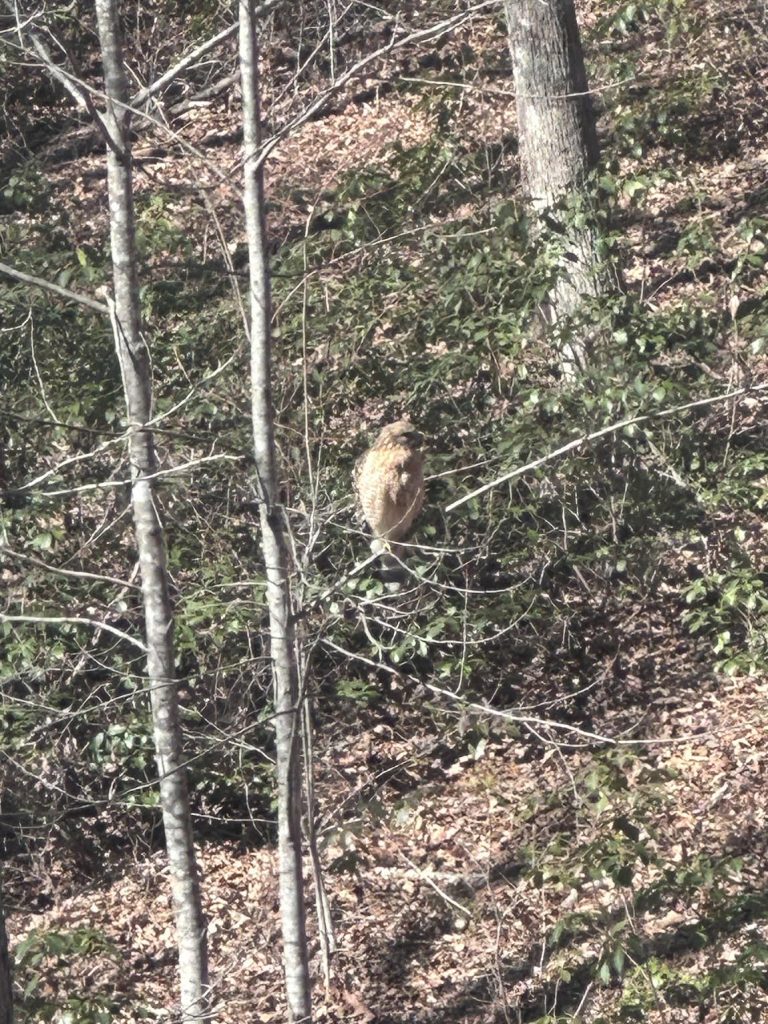
Perched quietly on a thin branch among the trees as if he had been placed there on purpose.
The sunlight was hitting his feathers just right — warm and golden against the brown leaves in March. He wasn’t moving much. He was sitting there with that sharp focus, watching everything happening in the forest below.
Red-shouldered hawk, (c) Debra Roinestad, The Comfy Cabin, 2026.
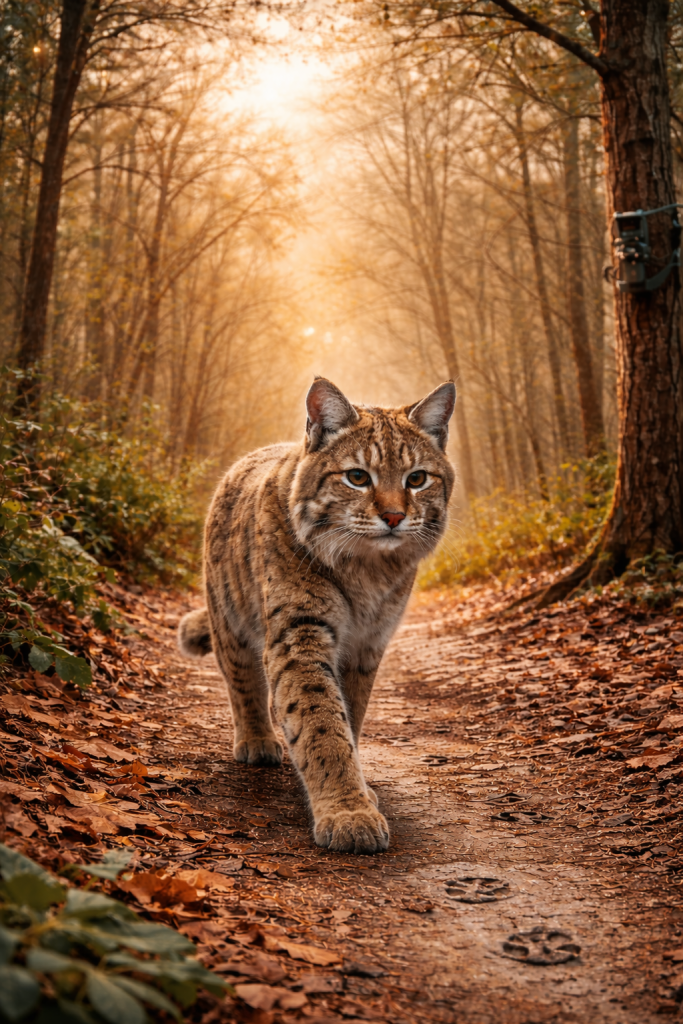
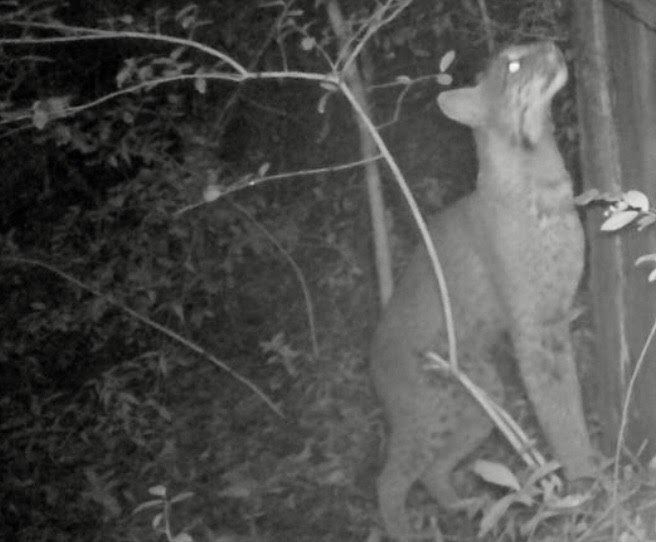
Living here in the foothills near Table Rock Mountain, wildlife moments like this are one of the things I treasure most about cabin life. Deer wander through the trees, foxes pass through now and then, and occasionally a bobcat shows up on the trail camera.
But a hawk this close to my window feels different.
There is something powerful about them. Calm. Patient. Completely aware of their surroundings.
Video: Hawk Outside My Window, (c) Debra Roinestad, The Comfy Cabin, 2026.
And honestly, I needed a moment like that… a reminder to be still and be in the present.
A Few Fun Hawk Facts
Hawks have incredible eyesight.
Their vision is estimated to be about 8 times sharper than human eyesight. From high above the trees, they can spot a mouse moving in the grass.
Hawks are expert hunters.
They often sit quietly on branches like the one outside my window, watching and waiting before swooping down on prey.
They help control rodent populations.
In other words, hawks are actually very helpful neighbors if you live near woods or fields.
Hawks can live a long time.
In the wild, hawks live 10–20 years, and some even longer.
Fun Local Fact:
Red-shouldered hawks are actually very common in the Upstate South Carolina forests, especially around:
• Table Rock
• Jocassee
• Keowee
• Travelers Rest foothills
They often sit quietly on branches and hunt squirrels, snakes, frogs, and mice.
Key Features For A Red-Shouldered Hawk vs Red-Tailed Hawk:
1. Rich reddish-barred chest
• The chest has many narrow horizontal orange-red bars.
• Red-tailed hawks usually have a pale chest with a darker “belly band.”
2. Slimmer body
• This bird looks more slender and upright.
• Red-tailed hawks are usually bulkier with broader shoulders.
3. Forest habitat
• Red-shouldered hawks love wooded areas and creek valleys.
4. Tail length
• The tail looks long and narrow.
What You Would See if It Were a Red-tailed Hawk
• A solid rusty red tail (often visible even from below)
• White chest with a dark belly band
• Thicker body and wider wings
Do Red-Shouldered Hawks & Red-Tailed Hawks Get Along?
No, hawks generally don’t “get along” the way flocking birds do. They are territorial predators, and they keep their distance from each other.
One More Cool Thing…
Sometimes, smaller birds gang up on hawks. Crows, blue jays, and mockingbirds will actually harass a hawk and chase it away. This behavior is called “mobbing.”
So if you ever hear a bunch of birds making a huge racket in the woods, there’s a good chance a hawk is nearby.
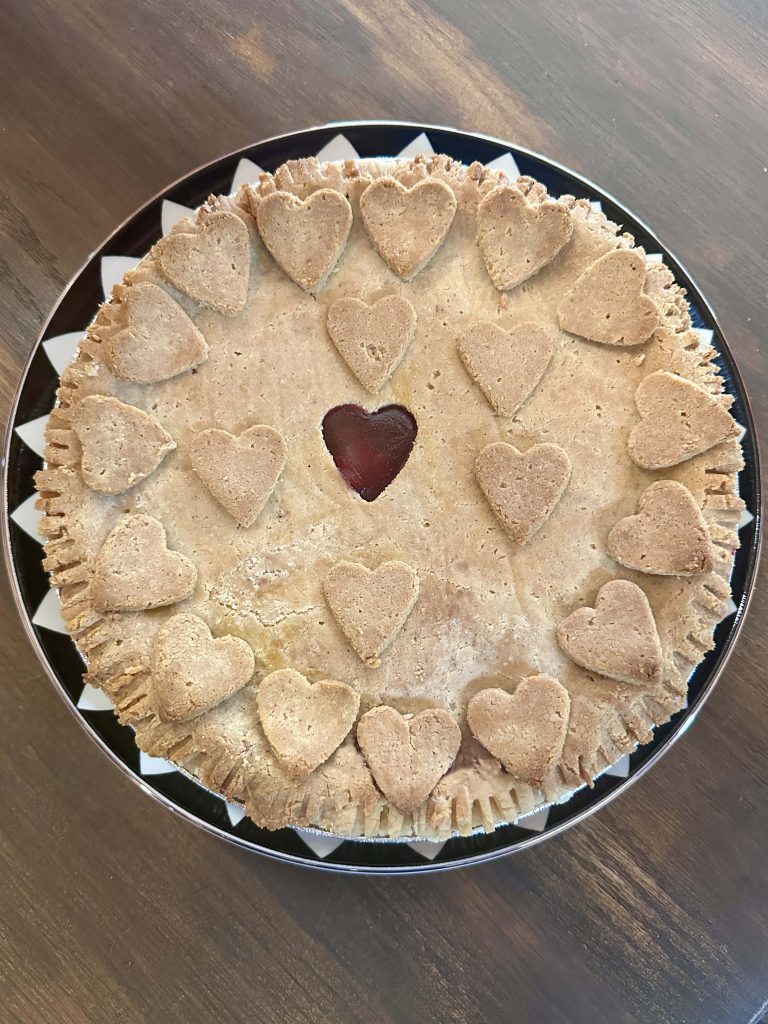
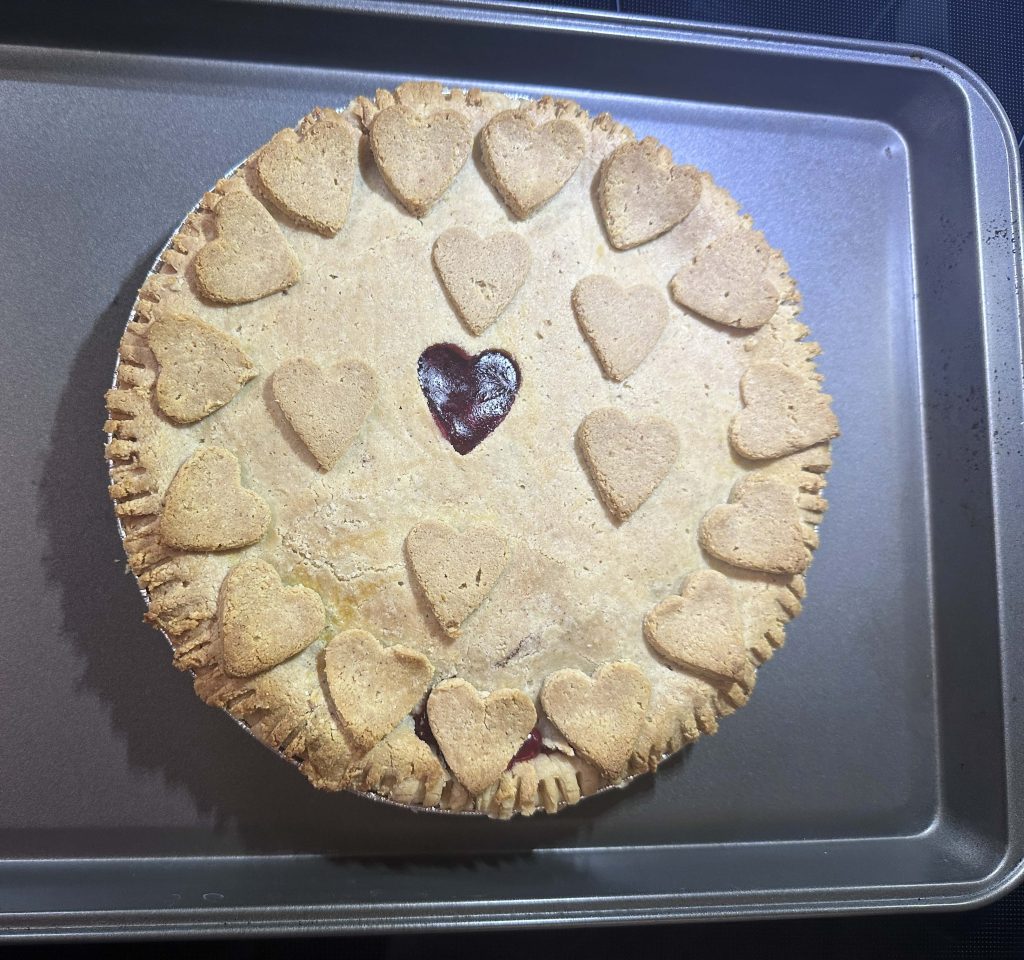
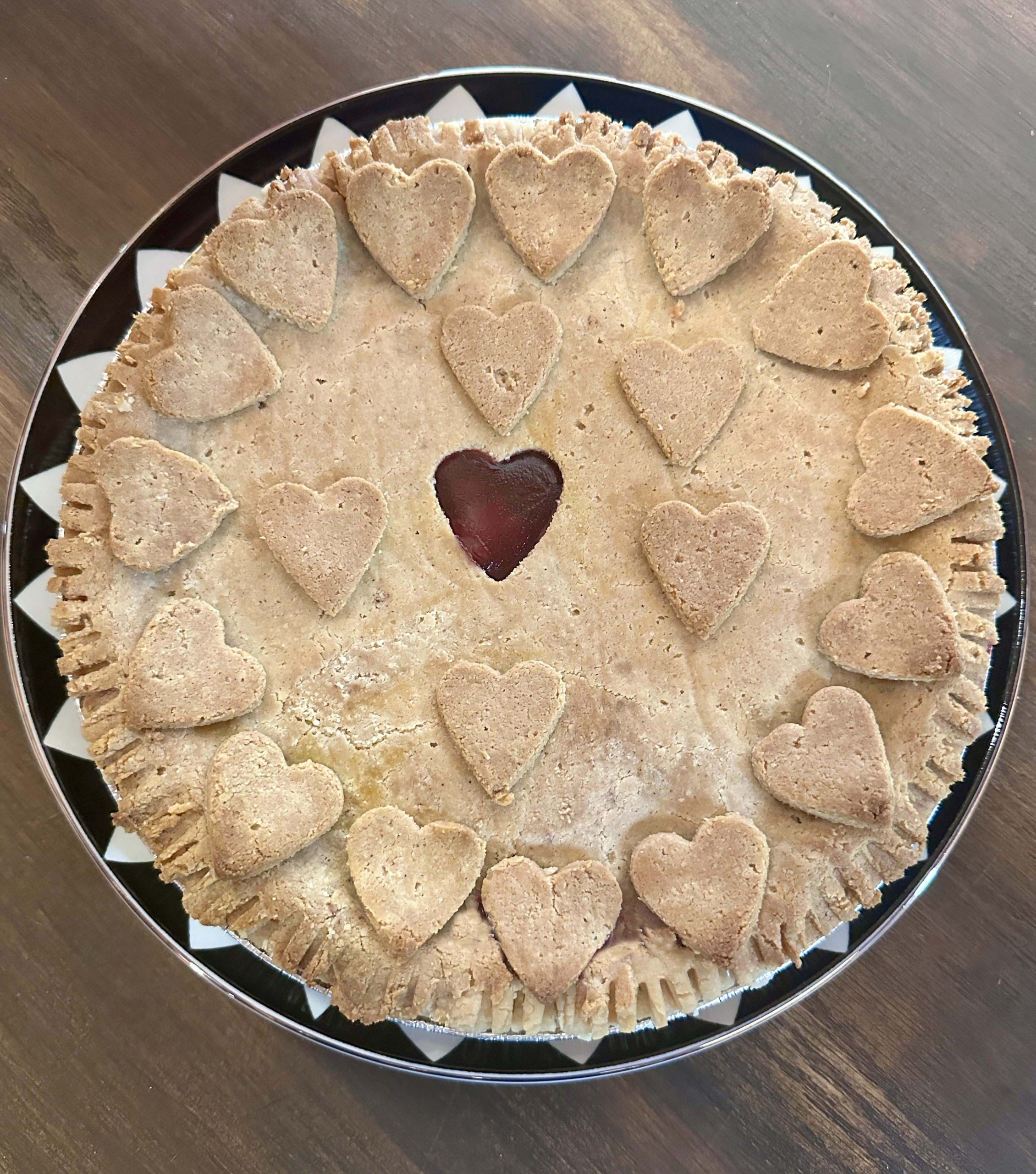
A lighter, cabin-kitchen twist on a classic cherry pie — made with almond flour and a sweet little heart cut-out on top.
There is something about cherry pie that feels so special.
The ruby filling.
The flaky crust.
That first slice when it’s cut while it’s still just a little warm.
But these days, I bake a little differently.
After years of adapting recipes for a lighter, more mindful way of eating, I wanted a cherry pie that kept all the comfort — without the sugar crash. This version is sweet, bright, and homemade… but completely sugar-free.
And the sugar? Truly, you won’t miss it.
Why You’ll Love This Sugar-Free Cherry Pie
• No refined sugar.
• Bariatric-friendly option.
• Can be made quickly.
• Naturally thickened without heavy syrups.
• Still tastes like Grandma’s pie.
It’s the kind of dessert that feels indulgent but doesn’t leave you feeling heavy.
Perfect for summer gatherings, porch evenings, or a simple “just because” baking day.
Ingredients:
For the Filling:
• 1 can sugar-free cherries (I purchased mine at Walmart)
• 1/3 cup Splenda (adjust to taste)
• 1/2 tablespoon lemon juice
• 1/4 teaspoon almond extract
Sugar-free cherry pie filling.
For the Crust:
Gluten-free pie shell.
Defrost the pie crust for 15 mins.
For the Almond Flour Topper:
• 1 1/4 cups of almond flour
• 2 tablespoon of Splenda
• 2 1/2 tablespoon coconut oil
• 1 large egg
• 1/2 teaspoon vanilla extract
• 1/4 cinnamon powder
Optional: You may use the same almond flour mixture to make the bottom crust instead of using a frozen pie shell.
Heart -shaped cookie cutter.
Instructions:
1. Defrost the Crust:
Defrost the frozen pie crust on the counter for about 15 minutes.
2. Prepare the Filling:
In a bowl, combine the cherries, Splenda, lemon juice, and almond extract. Stir gently and set aside.
3. Assemblethe Pie:
Pour the cherry filling into the prepared crust.
4. Make the Almond Flour Topper:
In a bowl, whisk together the almond flour, Splenda, and cinnamon.
Add the egg, vanilla extract, and coconut oil. Mix until a soft dough forms.
Roll the dough between two sheets of parchment paper to about 1/8 inch thick.
Remove the top sheet of parchment.
Using a heart-shaped cookie cutter, cut out the center to create a heart opening.
Carefully lift the dough using the bottom parchment sheet and place it over the cherry filling. Center the heart cut-out on the pie. Slowly peel away the parchment and trim the edges.
With any leftover dough, roll out small pieces, cut additional hearts, and place them around the edge for a decorative border.
5. Bake:
Bake at 350°F for 40 minutes, or until lightly golden on top.
Optional: You may use the same almond flour mixture to make the bottom crust instead of using a frozen pie shell.
Method
Defrost the Crust:Defrost the frozen pie crust on the counter for about 15 minutes.
Prepare the Filling:In a bowl, combine the cherries, Splenda, lemon juice, and almond extract. Stir gently and set aside.
Assemblethe Pie:Pour the cherry filling into the prepared crust.
Make the Almond Flour Topper:In a bowl, whisk together the almond flour, Splenda, and cinnamon.Add the egg, vanilla extract, and coconut oil. Mix until a soft dough forms.Roll the dough between two sheets of parchment paper to about 1/8 inch thick.Remove the top sheet of parchment.Using a heart-shaped cookie cutter, cut out the center to create a heart opening.Carefully lift the dough using the bottom parchment sheet and place it over the cherry filling. Center the heart cut-out on the pie. Slowly peel away the parchment and trim the edges.With any leftover dough, roll out small pieces, cut additional hearts, and place them around the edge for a decorative border.
Bake:Bake at 350°F for 40 minutes, or until lightly golden on top.Allow to cool before slicing.
This pie is sweet, nostalgic, and lighter than traditional versions — perfect for gatherings when you want something beautiful without all the sugar. The almond extract gives it that old-fashioned bakery flavor I remember from baking days with my grandmother.
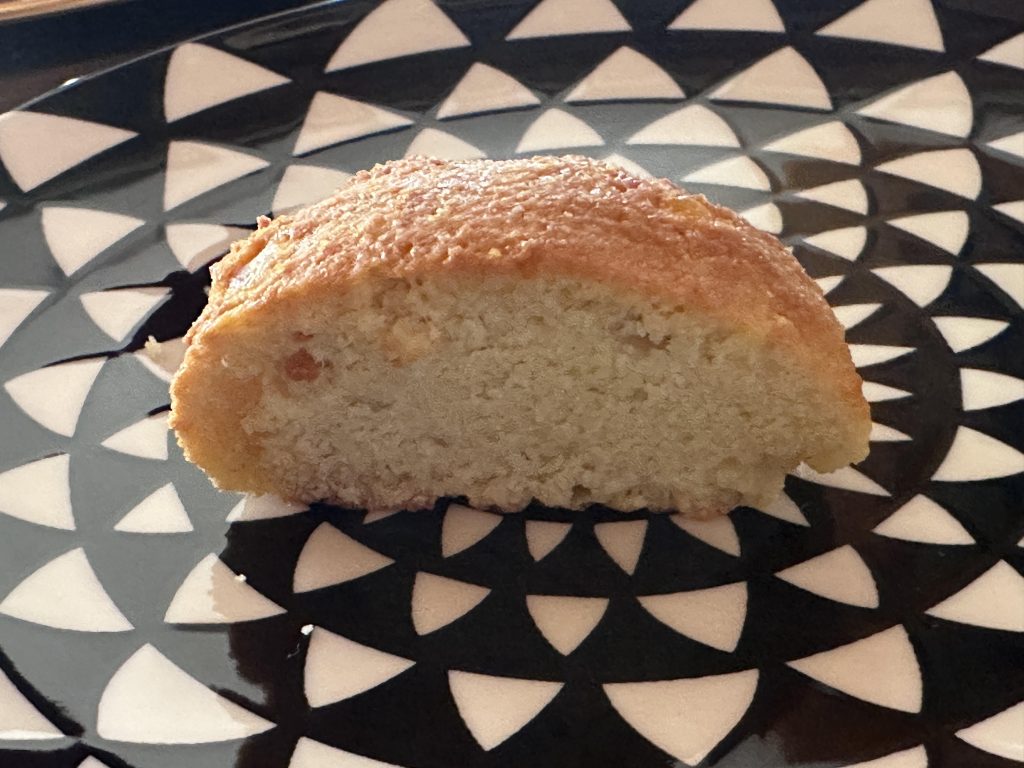
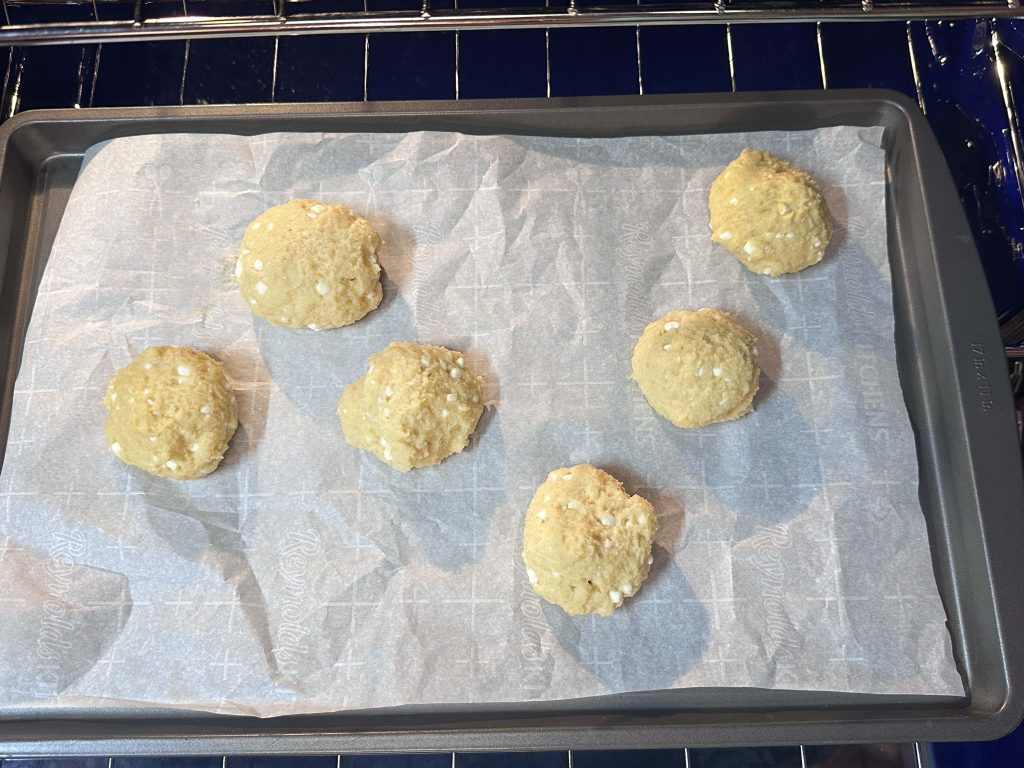
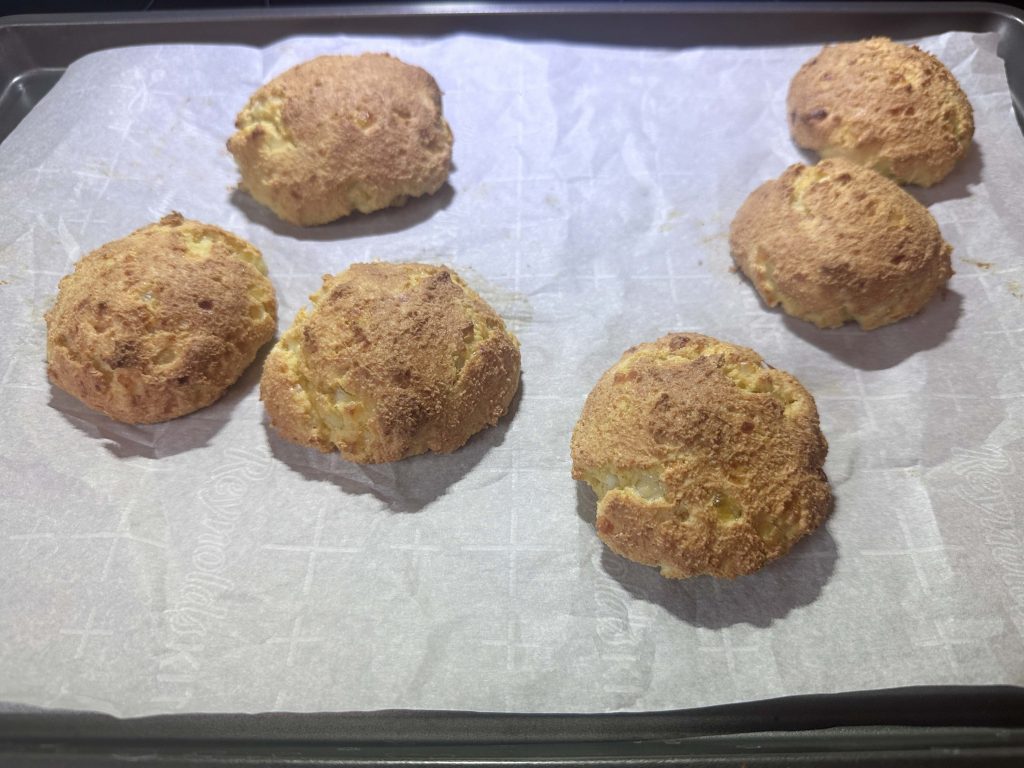
These almond flour cottage cheese sweet rolls are made with simple ingredients, no yeast, and no fuss. They’re tender and moist inside, lightly sweet, and comforting in that “homemade bread” way — not fluffy like yeast rolls, but soft and satisfying.
The almond flour cottage cheese sweet rolls are perfect for chili or soup. I love them best brushed with a little butter right out of the oven and eaten warm. Plus, they are also tasty with some jelly.
Why You’ll Love These Rolls
• Naturally gluten-free
• High-protein, thanks to cottage cheese & eggs
• No yeast, no rising time
• Lightly sweet (not cake-like)
• Soft inside, golden on top
Almond Flour Cottage Cheese Sweet Rolls
Ingredients
• 1 ½ cups almond flour
• ½ cup cottage cheese, blended completely smooth
• 2 eggs
• 1 tsp baking powder
• 1 tbsp honey or maple syrup
• ¼ tsp salt
• 1 tbsp melted butter or olive oil
Instructions
1. Preheat oven to 350°F (175°C). Line a baking sheet with parchment paper.
2. Blend the cottage cheese until completely smooth and creamy. This step matters for texture.
3. In a bowl, mix all ingredients until a thick, sticky dough forms.
4. Scoop into 6–8 mounds onto the baking sheet. Slightly wet hands help shape them.
5. Bake about 40-45 minutes, until golden on top.
(Note: Oven temps. vary — these like a longer bake than you’d expect.)
6. Brush tops with butter if desired and let cool slightly before serving.
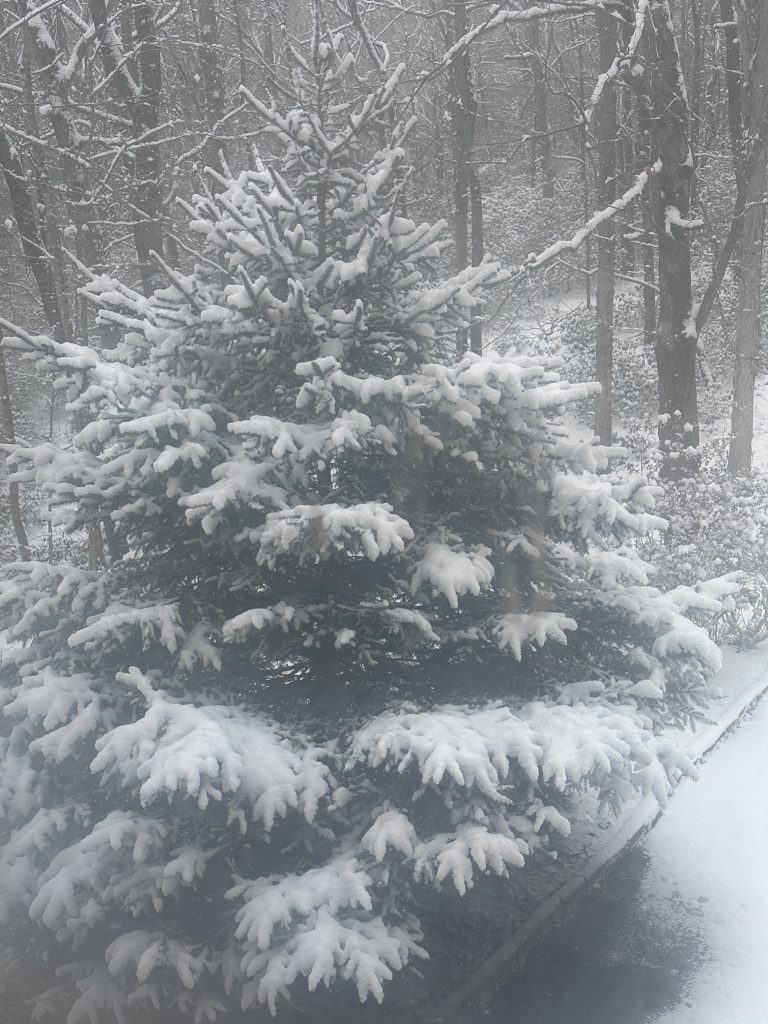
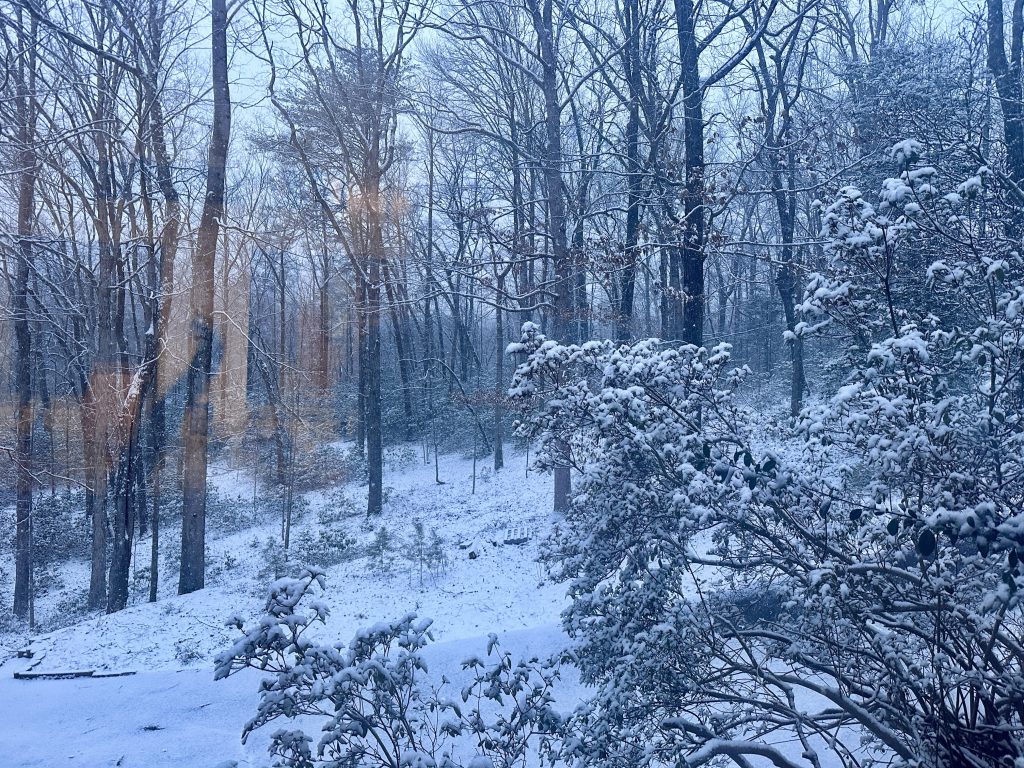
Snow on Table Rock Mountain. (c) Debra Roinestad, The Comfy Cabin, 2026.
The snow came in quietly, the way it always does here.
No drama at first—just a hush settling over the mountain, softening edges, slowing everything down.
Table Rock didn’t disappear in the storm.
It revealed itself.
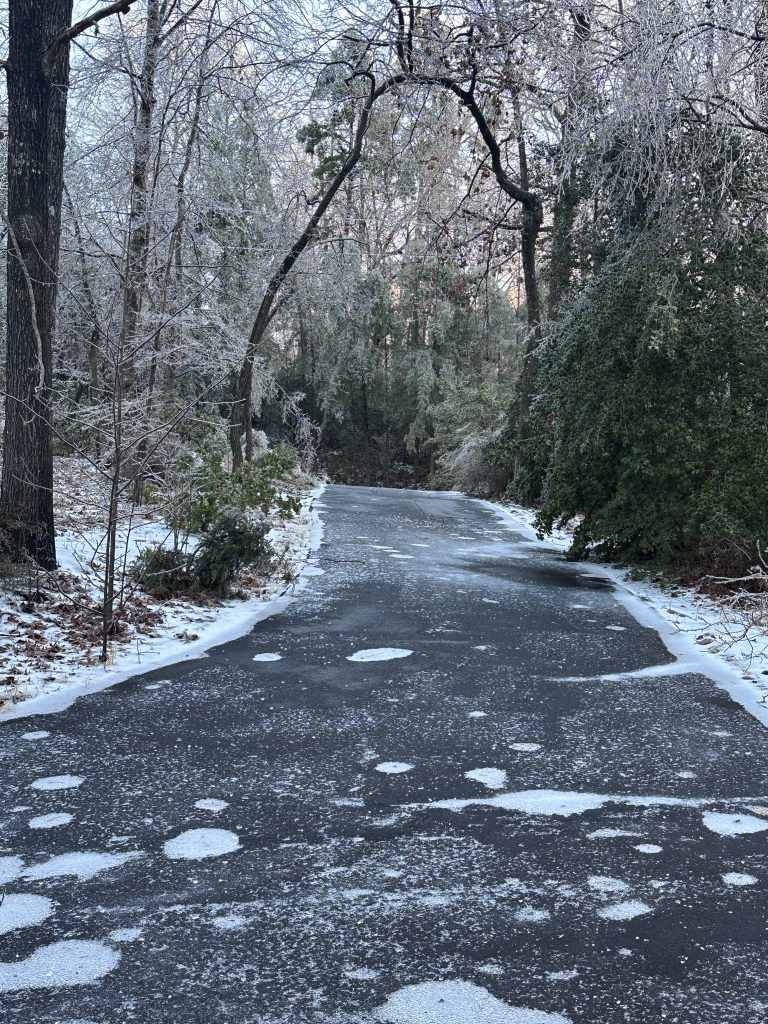
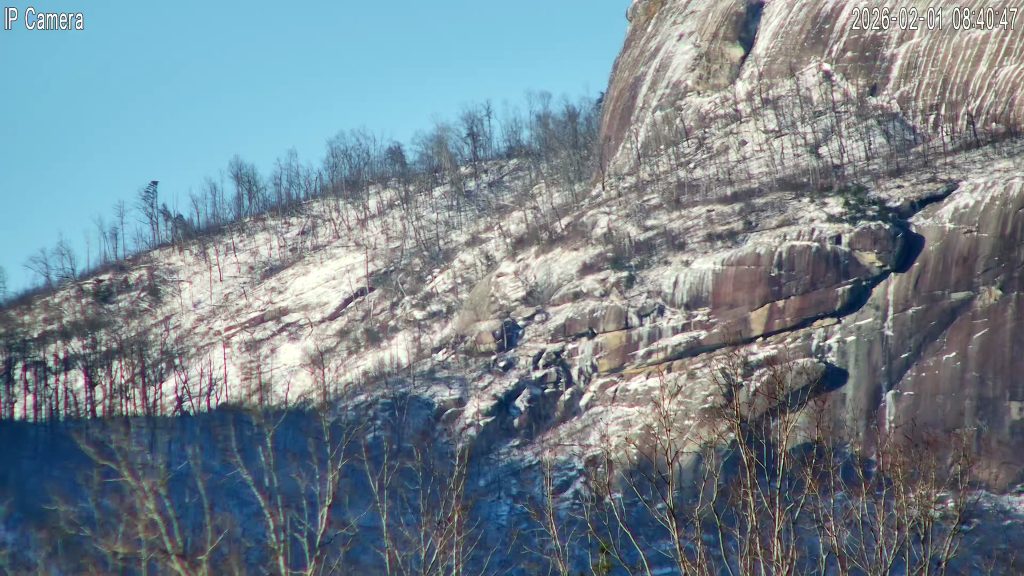
Water froze mid-movement, turning the granite face into long white ribbons, like frozen waterfalls paused in time. Snow dusted the ridge line, clinging to bare trees that know this season well. The mountain stood still, patient, carrying winter the way it always has.
This gallery is a collection of those moments—after the storm passed, when the light returned, and the cold weather stayed. It’s when silence felt heavier than sound.
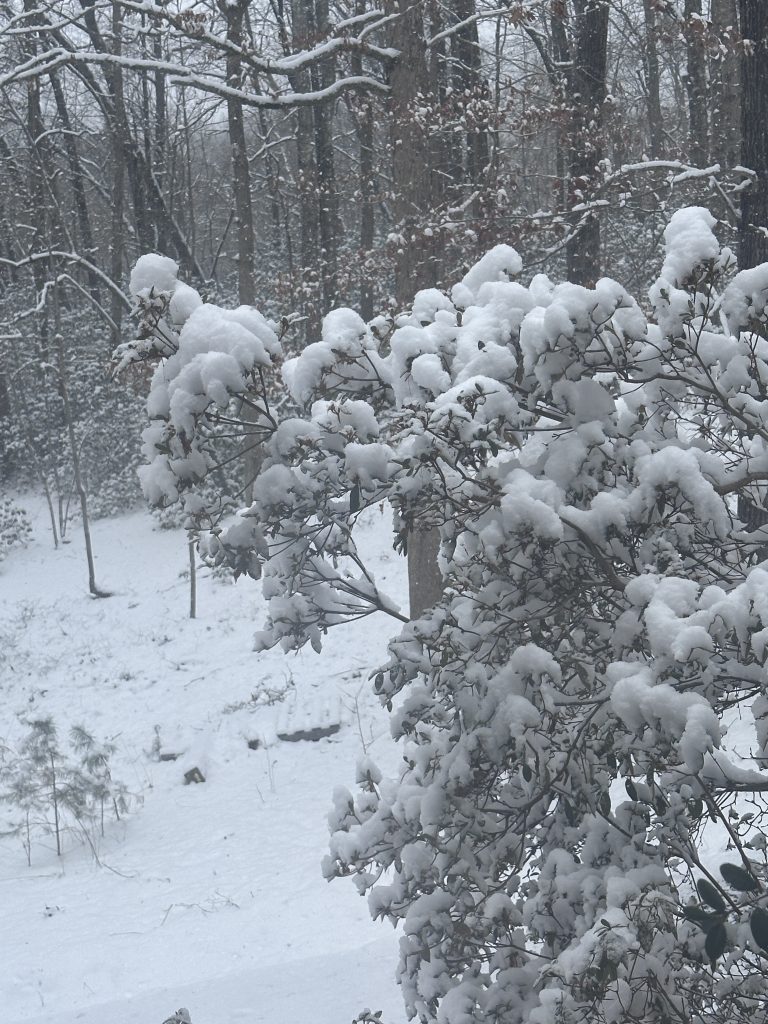
Snowstorm in the woods. All photos (c) Debra Roinestad, The Comfy Cabin, 2026.
Snow In Upstate South Carolina.
Afternoon clouds drifted up the face of Table Rock Mountain, Gentle & Slow.
After the snowstorm…close-up of Table Rock Mountain
After the snowstorm…close-up of snow and ice resting on Table Rock Mountain. (c) The Comfy Cabin, 2026
“The trees at the top stand stripped and honest. No leaves to hide behind. Just strength, roots, and time.”
“What endures doesn’t need decoration.”
“Stillness has layers. Winter shows them all.”
Winter storms don’t rush Table Rock.
They pass through, leave their mark, and move on.
The mountain remains—steady, scarred, beautiful in ways that only show up when things slow down enough to notice.
Some nights, the woods around our cabin feel almost too quiet. No deer slipping through at dusk. No fox skirting the tree line. Then the trail cam lights up at 2:13 a.m., and suddenly the forest belongs to the pigs.
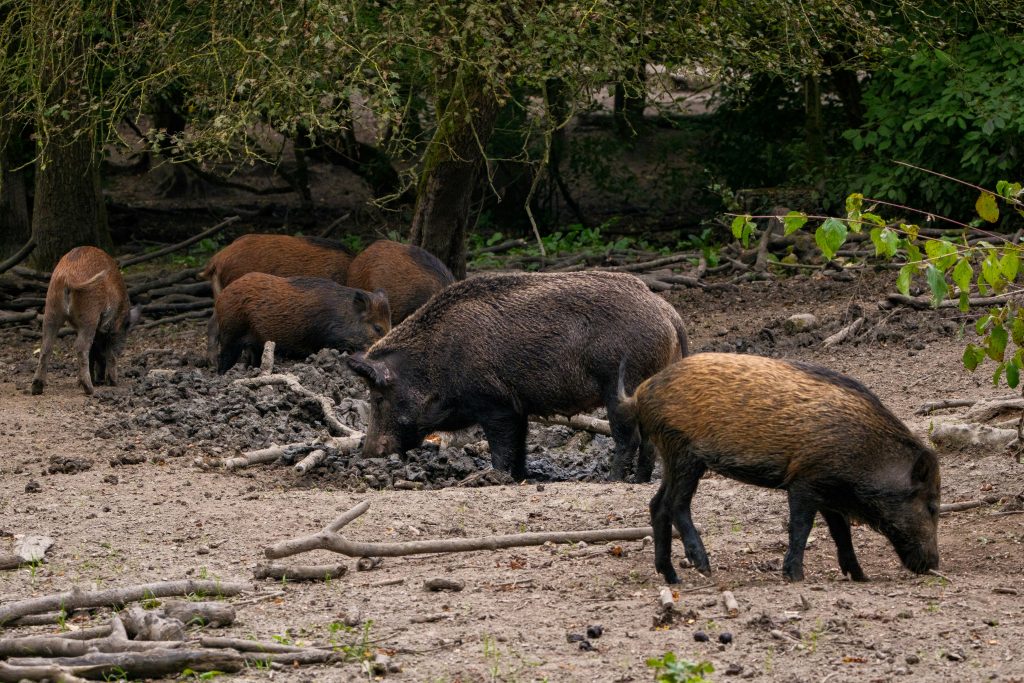
First one. Then three. Then a whole sounder—mud-caked round bodies, noses down, moving with purpose through the darkness. If you live anywhere near woods, water, or farmland in South Carolina, chances are you’ve seen this scene play out on your own trail camera. And if you haven’t yet… you probably will.
Wild pigs feel like a modern problem. But their presence in South Carolina is anything but new. Trail cameras catch them rooting up food plots, farmers battle torn-up fields, and hunters debate control strategies. But the truth is, wild pigs have been part of South Carolina’s landscape for centuries, and their story is deeply tied to colonial history, agriculture, and human land use.
Not Native, But Long-Established
Wild pigs are not native to North America. Their roots in South Carolina trace back to the 1500s, when Spanish explorers—including Hernando de Soto—released domestic pigs throughout the Southeast as a mobile food source. These pigs were hardy, fast-breeding, and well-suited to forested environments.
Later, English settlers expanded pig populations even further. In colonial South Carolina, it was common practice to allow pigs to free-range in forests, swamps, and river bottoms, especially in the Lowcountry and Piedmont. Hogs were marked by ear notches or brands, then turned loose to forage on acorns, roots, and mast.
Over time, escaped or abandoned pigs reverted to a wild state—becoming feral.
From Livestock to Wildlife Problem
By the 18th and 19th centuries, feral pigs were firmly established across South Carolina. Unlike cattle or sheep, pigs thrive without human care. Feral pigs are:
Highly intelligent
Omnivorous and adaptable
Capable of breeding as young as 6 months
Able to produce multiple litters per year
As agriculture expanded and forests were fragmented, pig populations didn’t shrink—they exploded.
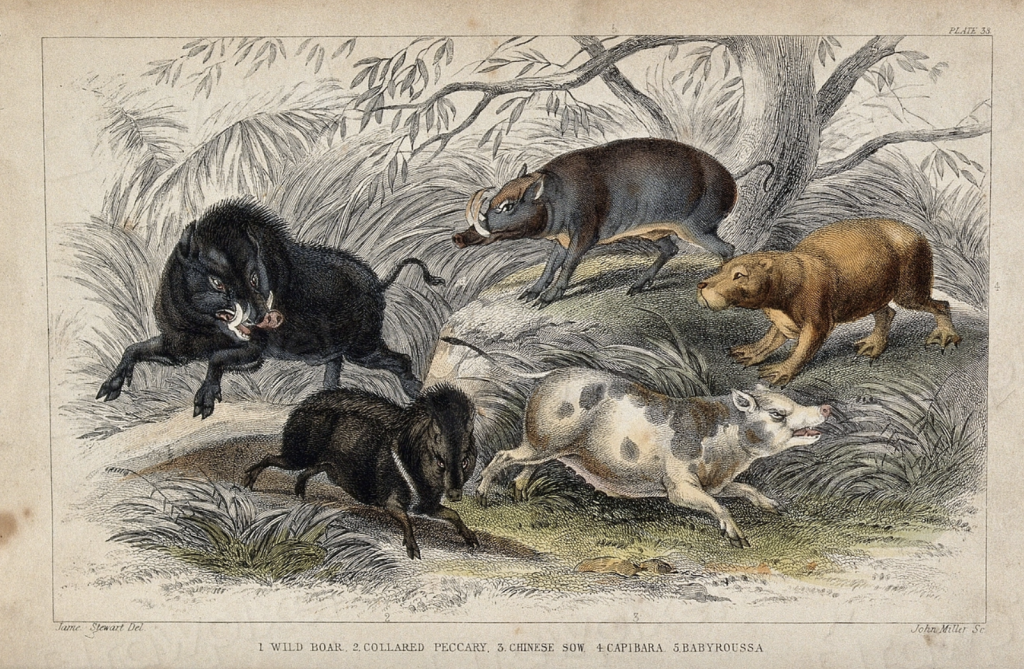
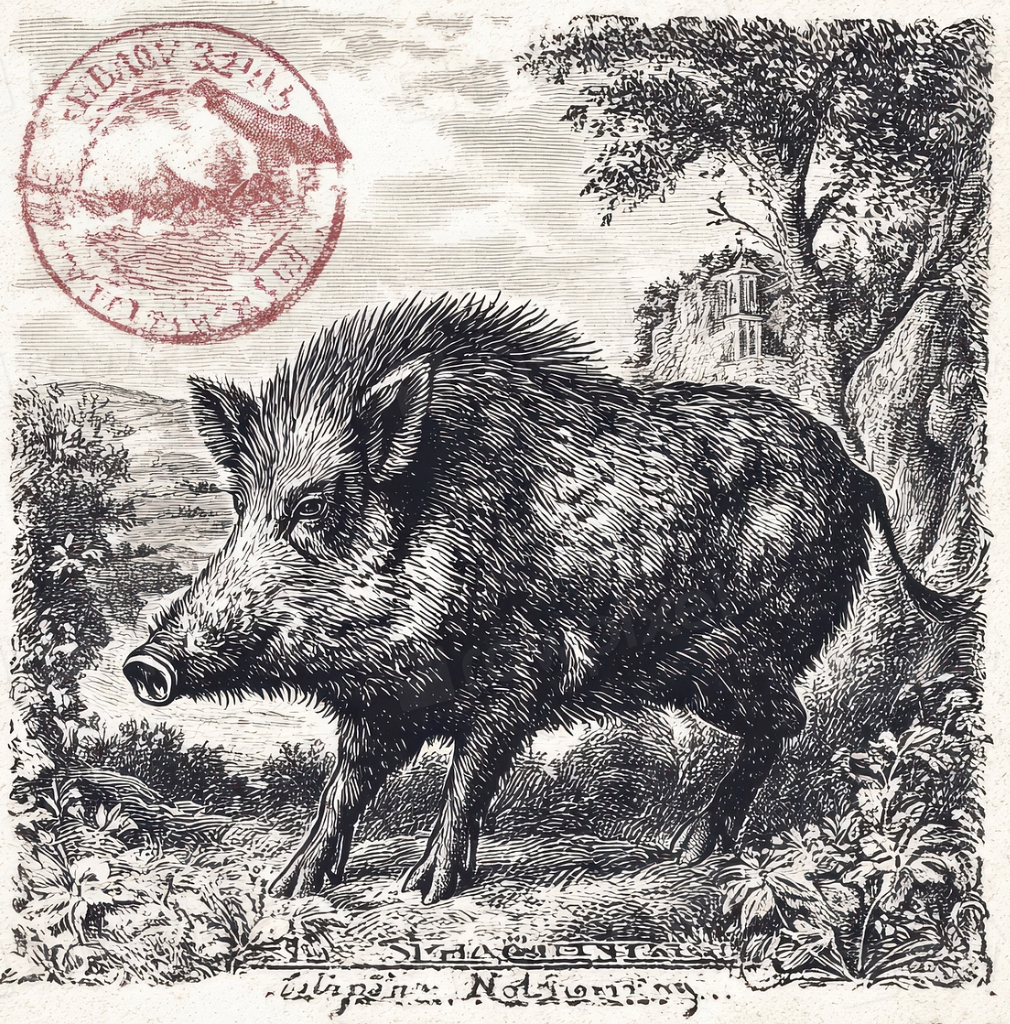
Cinghiale. / Sanglier. / Wildschwein. / Keuler. / Wild boar. / Wildzwein (1879) by R Schulz and firma Joseph Scholz Original in the public domain.
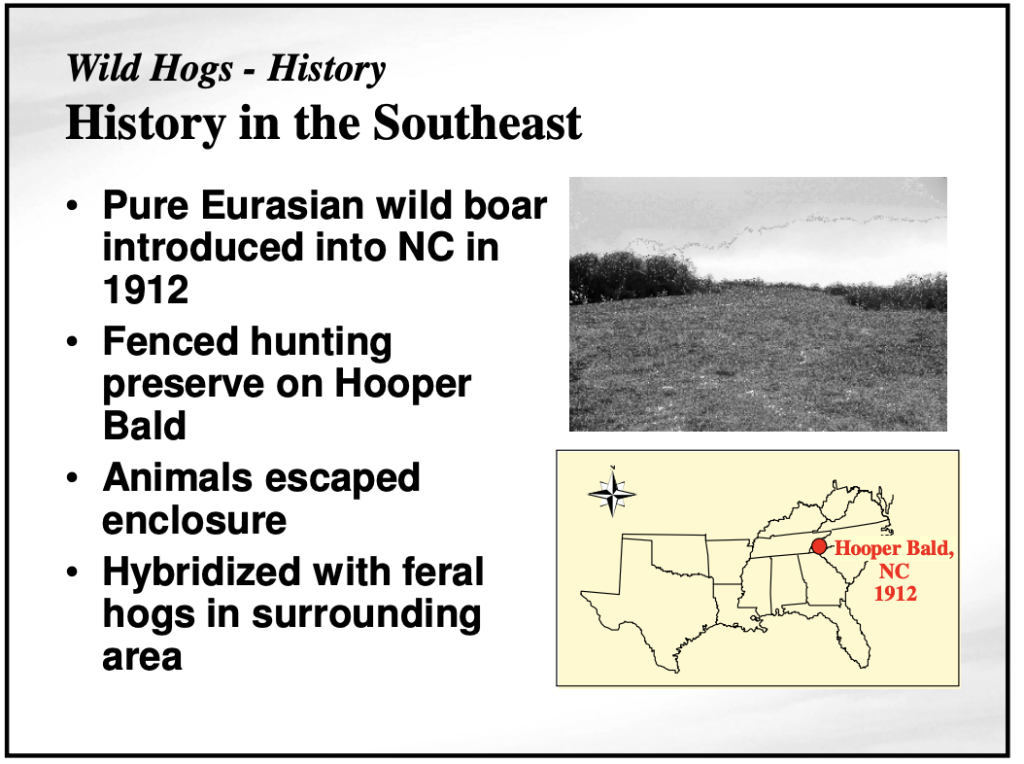
In the 1900s, another factor worsened the issue: intentional releases for hunting. Some landowners brought in Eurasian wild boar or relocated pigs to create sport-hunting opportunities, unintentionally increasing genetic diversity, size, and aggression in wild populations.
Wild Pigs booklet by Jack Mayer.
Where Wild Pigs Live in South Carolina Today
Today, feral pigs can be found in nearly every county in South Carolina, from the Lowcountry marshes to the foothills of the Blue Ridge.
They thrive especially in:
Bottomland hardwood forests
Swamps and river corridors
Agricultural edges
Pine plantations
Foothill and mountain regions with mixed cover
In Upstate areas near forests, lakes, and conservation land, pigs often move between public and private property, making management difficult.
Seeing wild pigs on the trail cam is unsettling in a different way than seeing a bear or bobcat. These animals aren’t just surviving—they’re reshaping the land under our feet. Lawns get torn up. Trails disappear overnight. Food plots look like they have been rototilled by a machine with tusks.
And yet, watching them—clever, coordinated, relentless—it’s impossible not to understand why they’ve succeeded.
From Our Trail Camera: Wild Pigs In South Carolina: What the Trail Cam Reveals Around The Table Rock Area
What the Trail Cam Reveals That Daylight Doesn’t
Trail cameras tell a story most of us never see in daylight.
Wild pigs are primarily nocturnal, especially in areas where they’re hunted or pressured. According to the South Carolina Department of Natural Resources (SCDNR), feral hogs quickly adapt their movement patterns to avoid humans—meaning your daylight walks may show nothing, while your camera captures chaos overnight.
Common trail-cam behaviors include:
Traveling in sounders (family groups, usually females and young)
Repeated use of the same trails and creek crossings
Heavy activity near acorn drops, or wet ground
Sudden appearances after rain, when the soil is easiest to uproot.
Why They’re Such a Big Problem
Wild pigs cause millions of dollars in damage each year in South Carolina. Their impacts include:
Rooting up crops, lawns, and food plots
Destroying native plants and tree seedlings
Competing with deer, turkey, and other wildlife
Preying on ground-nesting birds, reptiles, and amphibians
Polluting streams and wetlands
Their rooting behavior can completely alter soil structure and plant communities—especially in sensitive habitats.
How South Carolina Manages Wild Pigs
Because feral pigs are not classified as native wildlife, South Carolina treats them as an invasive species. Regulations allow landowners to remove pigs year-round on private property, and multiple control methods are used:
Trapping (the most effective population-level control)
Hunting (useful but rarely enough on its own)
Exclusion fencing in high-value areas
Despite these efforts, pigs remain extremely difficult to eradicate once established.
South Carolina DNR Facts: Why the Damage Adds Up Fast
According to SCDNR, feral hogs are considered one of the most destructive invasive species in the state.
Key facts:
A single sow can produce 2 litters per year, with 4–12 piglets per litter
Populations can double in under 4 months under ideal conditions
Wild pigs cause millions of dollars in agricultural and property damage annually
They degrade wildlife habitat by destroying native plants and competing with deer and turkey
Rooting increases erosion and pollutes streams and wetlands
SCDNR does not classify wild pigs as game animals, meaning they can be removed year-round on private land with landowner permission.
A Legacy Still Unfolding
Wild pigs are a reminder that human decisions echo through ecosystems for centuries. What began as a practical choice by early settlers has become one of the Southeast’s most persistent wildlife challenges.
In South Carolina, feral pigs are now woven into the landscape—seen on trail cameras, along creek banks, and sometimes far too close to home. Understanding their history helps explain why they’re here, why they’re so successful, and why managing them is such a complex task.
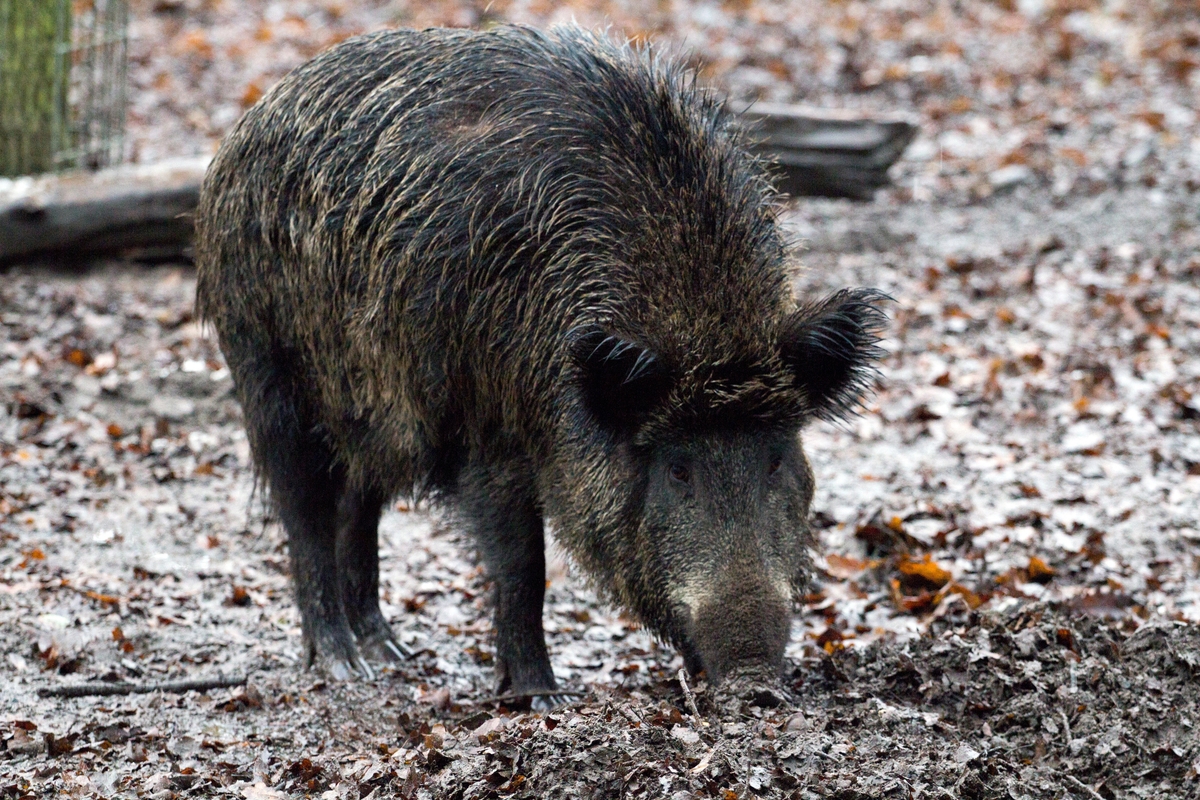
Wild boar. Image in the public domain.
Managing Wild Pigs: What Works (and What Doesn’t)
SCDNR emphasizes that hunting alone rarely controls pig populations. Effective management usually requires:
Large corral traps that remove entire sounders
Consistent monitoring with trail cameras
Cooperation between neighboring landowners
Preventing illegal relocation (which worsens the problem)
Once pigs establish themselves, eradication is extremely difficult.
They may look like wild animals of the forest, but their story is—and always has been—a human one. They are survivors of a story humans started long ago.
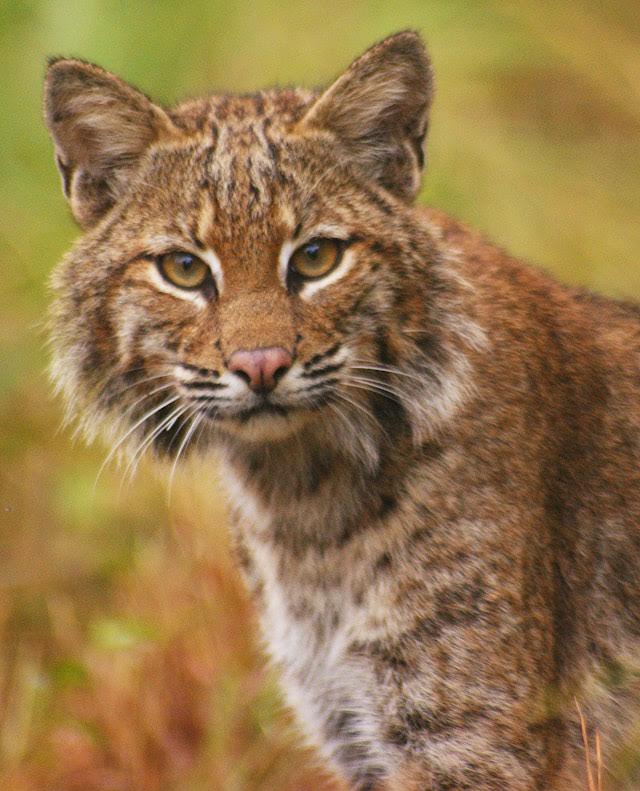
January in South Carolina doesn’t arrive with deep snowdrifts. Instead, it slips in quietly—bare branches, muted woods, and long stretches of stillness. And it’s in this quieter season that one of our most elusive residents becomes just a little easier to notice: the bobcat.
While bobcats live here year-round, January offers a unique window into their world. Fewer leaves, cooler temperatures, and subtle seasonal shifts all work together to make sightings—especially on trail cameras—more likely.
Bobcats Don’t Hibernate—They Adapt
Unlike many animals that slow down or disappear in winter, bobcats remain active throughout the year. In fact, colder months often mean more movement, not less.
Bobcats must hunt regularly to survive, and winter conditions push them to travel wider areas in search of prey. Rabbits, rodents, and small mammals are still active, and bobcats follow their patterns closely—often along the same trails we walk ourselves.
Less Cover, More Visibility
By January, South Carolina’s woods have shed much of their cover. Underbrush thins. Leaves fall away. Sightlines open up.
This doesn’t mean bobcats are suddenly careless—they remain cautious and quiet—but their movements are less concealed. A bobcat crossing a logging road at dawn or slipping through the trees at night stands out more clearly against a winter backdrop than it would in lush summer growth. For trail cameras, this change alone can make all the difference.
Quiet Woods Favor Wildlife
January brings a slowdown for people—but not for wildlife.
Hunting seasons taper, foot traffic drops, and fewer humans are out exploring the woods. With less disturbance, bobcats feel safer moving through areas they might otherwise avoid.
This calm creates a rare balance: humans retreat, and wildlife steps forward—often unseen, but not unfelt.
Seeing a Bobcat Means the Land Is Healthy
A bobcat sighting isn’t just exciting—it’s meaningful.
Bobcats require:
Adequate prey populations
Large, connected territories
Minimal disruption
When they pass through your land, it’s a sign of balance. Of an ecosystem quietly working as it should.
A Season of Watchfulness
January doesn’t shout. It whispers.
And in those whispers—in the pause before sunrise, the glow of a trail cam at 4 a.m., the sense that something moved just beyond view—the bobcat appears.
Not often. Not loudly.
But just enough to remind us that winter in South Carolina is very much alive.
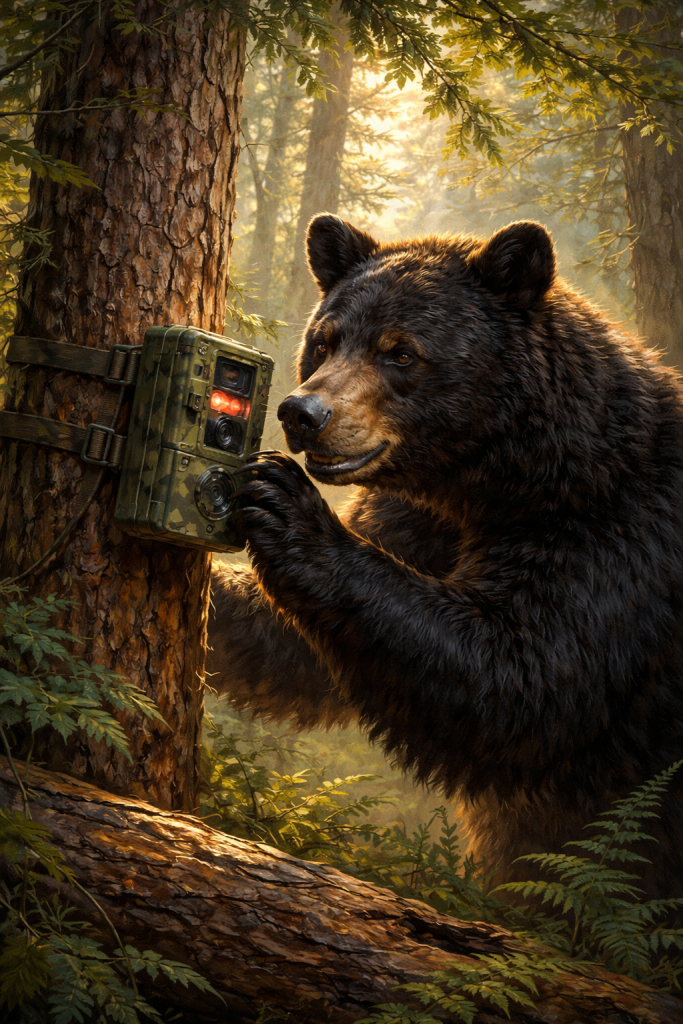
Trail cameras are meant to be quiet observers—small windows into the private lives of wildlife. But every so often, the camera becomes part of the story. Scratched lenses. Tooth marks. A unit twisted sideways… or gone altogether.
When a bear appears to be “attacking” or even eating a trail camera, it’s tempting to see it as aggression or destruction. In reality, these moments reveal just how intelligent, curious, and instinct-driven bears truly are—especially during winter, and especially when cubs are involved.
8 Reasons Why Bears Bite The Trail Cameras, (c) The Comfy Cabin, 2025.
Here are eight well-documented reasons bears interact so intensely with trail cameras, and what those moments teach us about life in the wild.
1️⃣ Curiosity and Intelligence Black bears are brilliant animals. When they encounter something unfamiliar strapped to a tree—something that doesn’t smell, feel, or behave like bark—they investigate.
Bears explore the world using their nose, paws, and mouth. What looks like an “attack” is often the final step of curiosity: What is this thing?
2️⃣ Human Scent Attraction
Even the cleanest trail camera often carries traces of human scent. Bears can detect:
Soap or hand sanitizer
Lotion or sunscreen
Food smells from gloves or pockets
Plastic or rubber odors
To a bear’s nose, these scents are loud. Once a scent is detected, investigation almost always follows—and biting is a natural way to test an object.
3️⃣ Plastic Resembles Food Containers
Bears learn through experience that plastic boxes often mean calories. Coolers, trash bins, feed buckets—many food sources share the same hard, boxy design as trail cameras.
A camera doesn’t look like a camera to a bear. It looks like a possibility.
4️⃣ Sound Sensitivity
Trail cameras marketed as “silent” can still:
Click faintly
Whir during activation
Emit barely audible electronic sounds
Bears have excellent hearing. A repeated or unfamiliar sound may prompt a bear to locate and silence the source—especially if it’s along a well-used trail.
5️⃣ Infrared or Red Light Glow
Some bears appear able to notice the faint glow of infrared or red LEDs used for nighttime photos. To them, this can resemble:
An eye
A reflective surface
Something watching
This often results in direct, face-to-camera contact—and sometimes teeth.
6️⃣ Boundary and Comfort-Zone Behavior
While bears aren’t territorial in the traditional sense, they do establish areas of comfort and routine. Cameras placed near:
Feeding areas
Travel corridors
Bedding or den sites
Trail cameras are seen as objects that don’t belong.
7️⃣ Play Behavior
Younger bears—and occasionally mothers with older cubs—engage in playful destruction. Tugging, pawing, and chewing objects helps build strength and coordination.
To a bear, a trail camera can be:
A toy
A puzzle
A challenge
Play doesn’t mean harmless—for the camera—but it’s a natural behavior.
8️⃣ Protective Instinct (Especially Mothers with Cubs)
For a mother bear, particularly in winter, protection is non-negotiable. Cubs are born tiny and vulnerable, food is scarce, and energy must be conserved.
Any unfamiliar object near her cubs is treated seriously. Investigation may escalate quickly—not out of aggression, but out of maternal instinct. Removing the object removes the uncertainty.
When a bear bites or carries off a trail camera, it isn’t anger or malice—it’s intelligence meeting instinct. These moments remind us that wildlife cameras don’t just observe the forest; they temporarily become part of it.
Winter survival is written in careful decisions, heightened senses, and fierce devotion—especially for mothers. Wildlife invites us to watch with curiosity, respect with humility, and remember that every tooth mark tells a story far older than our technology.
Debra Roinestad
We use cookies on our website to give you the most relevant experience by remembering your preferences and repeat visits. Read More By clicking “Accept All”, you consent to the use of ALL the cookies. However, you may visit "Cookie Settings" to provide a controlled consent.
This website uses cookies to improve your experience while you navigate through the website. Out of these, the cookies that are categorized as necessary are stored on your browser as they are essential for the working of basic functionalities of the website. We also use third-party cookies that help us analyze and understand how you use this website. These cookies will be stored in your browser only with your consent. You also have the option to opt-out of these cookies. But opting out of some of these cookies may affect your browsing experience.
Necessary cookies are absolutely essential for the website to function properly. These cookies ensure basic functionalities and security features of the website, anonymously.
Cookie
Duration
Description
cookielawinfo-checkbox-analytics
11 months
This cookie is set by GDPR Cookie Consent plugin. The cookie is used to store the user consent for the cookies in the category "Analytics".
cookielawinfo-checkbox-functional
11 months
The cookie is set by GDPR cookie consent to record the user consent for the cookies in the category "Functional".
cookielawinfo-checkbox-necessary
11 months
This cookie is set by GDPR Cookie Consent plugin. The cookies is used to store the user consent for the cookies in the category "Necessary".
cookielawinfo-checkbox-others
11 months
This cookie is set by GDPR Cookie Consent plugin. The cookie is used to store the user consent for the cookies in the category "Other.
cookielawinfo-checkbox-performance
11 months
This cookie is set by GDPR Cookie Consent plugin. The cookie is used to store the user consent for the cookies in the category "Performance".
viewed_cookie_policy
11 months
The cookie is set by the GDPR Cookie Consent plugin and is used to store whether or not user has consented to the use of cookies. It does not store any personal data.
Functional cookies help to perform certain functionalities like sharing the content of the website on social media platforms, collect feedbacks, and other third-party features.
Performance cookies are used to understand and analyze the key performance indexes of the website which helps in delivering a better user experience for the visitors.
Analytical cookies are used to understand how visitors interact with the website. These cookies help provide information on metrics the number of visitors, bounce rate, traffic source, etc.
Advertisement cookies are used to provide visitors with relevant ads and marketing campaigns. These cookies track visitors across websites and collect information to provide customized ads.